Health experts are raising awareness about Monkeypox, now commonly known as Mpox, and highlighting the importance of early detection and preventive measures to protect children and adults from the viral infection. Dr. Irfan Habib, Medical Director at ChildLife Foundation, has explained how the virus spreads, its warning signs and the precautions parents and caregivers should follow to reduce the risk of infection.
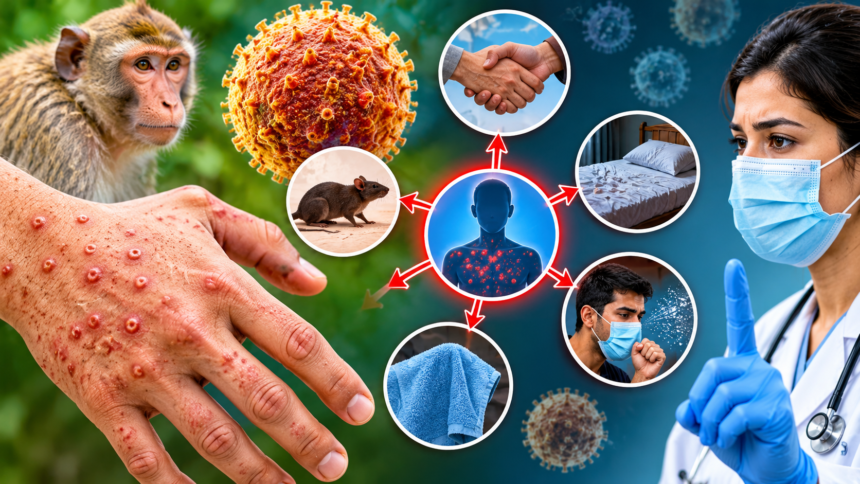
According to Dr. Irfan, Mpox primarily spreads through close physical contact with an infected person. Direct contact with skin rashes, blisters, sores and bodily fluids can transmit the virus. It can also spread through contaminated personal belongings, including clothes, towels, bedsheets and other items used by an infected individual. Children who spend considerable time in close contact with others at schools, daycare centres and households may require particular attention if an infection is suspected.
The infection can cause several symptoms, including fever, headache, muscle pain, sore throat, swollen lymph nodes and skin rashes. According to medical guidance shared by Dr. Irfan, the rash may initially appear on the face before spreading to other parts of the body. Mpox lesions can sometimes resemble chickenpox, measles or other skin conditions, making early medical assessment important for accurate diagnosis and appropriate treatment.
To prevent transmission, parents and caregivers are advised to wash their hands regularly with soap, clean frequently touched surfaces and avoid close contact with anyone showing suspicious symptoms. Sharing clothes, towels, bedding and personal belongings with an infected person should also be avoided. Anyone developing fever accompanied by an unusual rash should seek medical advice promptly and follow healthcare professionals’ instructions. According to the World Health Organization, most people recover from Mpox within two to four weeks, although severe illness can occur in some cases.