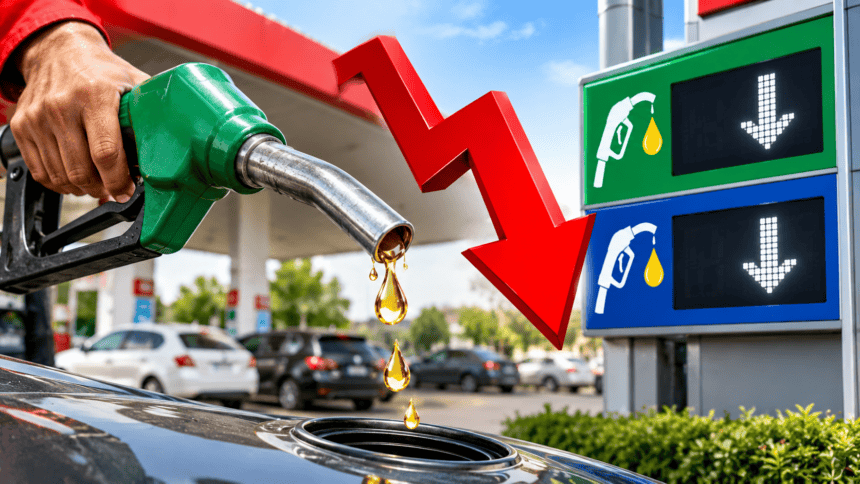
The federal government announced a reduction in fuel prices late Tuesday, offering a brief reprieve to consumers facing months of persistent inflation. Petrol prices have been slashed by Rs. 8.47 per liter, while high-speed diesel (HSD) rates dropped by Rs. 6.43 per liter.
The new rates take effect immediately.
This adjustment follows a steady decline in international oil prices over the last fortnight. Global market volatility, triggered by shifting demand forecasts in major economies like China and the U.S., allowed the government to finally pass some relief on to the local market.
For the average commuter, the math is simple: the cost of a full tank is down, but the broader economic relief remains marginal. Transportation costs for essential goods—the primary driver of food inflation—rarely adjust as quickly as fuel pump prices. Retailers typically hold onto higher freight charges long after fuel costs drop, meaning the grocery bill at the local market is unlikely to shrink overnight.
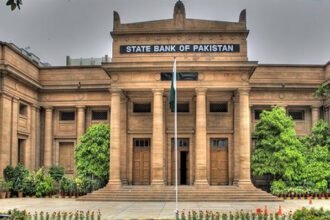
The finance ministry’s move comes amid mounting pressure from trade bodies and the transport sector, both of which had been vocal about the impact of high fuel costs on operational survival. Small-scale logistics companies, in particular, have struggled to maintain margins as fuel costs ate into their bottom lines throughout the last quarter.
While this cut marks the second consecutive reduction in some categories, the government remains cautious. Global oil prices are notoriously unpredictable, often swinging on geopolitical developments in the Middle East. Any sudden escalation in regional tensions could easily wipe out these gains, forcing the ministry to hike prices back up in the next fortnightly review.
The finance minister, speaking briefly after the notification, described the move as a “calibrated effort to balance fiscal targets with public welfare.” He declined to comment on whether further reductions were expected in the coming month.
For now, the downward trend provides a rare moment of fiscal breathing room. Whether it translates into lower prices for the average consumer, however, depends entirely on whether the transport and retail sectors follow suit.