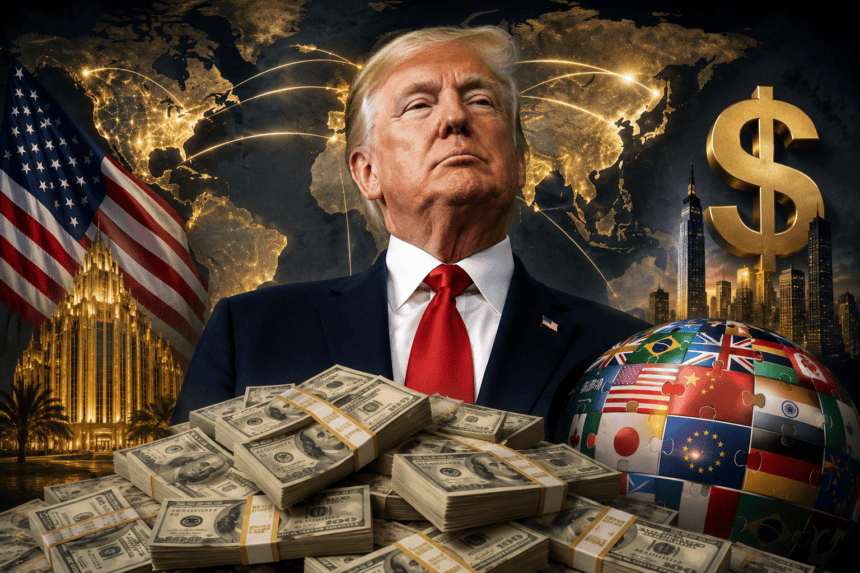
Donald Trump’s return to the presidency brings his sprawling business empire back to the center of American governance. For the next four years, the line between the Oval Office and the Trump Organization will be thinner than ever, raising questions about whether the man in charge is prioritizing national policy or his own balance sheet.
Trump has largely resisted calls to fully divest from his properties, opting instead to place his assets in a trust managed by his sons. While this setup technically separates him from day-to-day operations, it doesn’t stop the flow of revenue. Foreign dignitaries, lobbyists, and corporate executives now have a clear path to influence: booking a room at the Trump International Hotel or hosting events at his Florida clubs.
Critics point to the “emoluments” issue that shadowed his first term. The Constitution prohibits federal officials from accepting gifts or payments from foreign states without congressional consent. During his previous tenure, the Trump Organization argued that standard commercial transactions—like a diplomat paying for a hotel room—didn’t count as prohibited gifts. The courts never reached a definitive ruling, leaving the door wide open for the same legal gray areas to resurface immediately.
Then there is the matter of his personal debt. Trump’s finances have long been a mix of real estate assets and significant liabilities, some of which are held by major financial institutions with business before federal regulators. When the president’s personal wealth is tied to interest rates and tax policy, every economic decision he signs into law carries a potential personal windfall or loss.
Business partners overseas are already watching closely. In countries where Trump holds development deals, local leaders understand that his political goodwill can be as valuable as any real estate permit. This creates a leverage dynamic that no previous president has had to navigate. Whether it’s a licensing deal in the Middle East or a golf course in Europe, the temptation to link foreign policy concessions to business favors remains a persistent risk.
Trump’s defenders argue that his business acumen is exactly what the country needs. They see his wealth not as a conflict, but as a shield—a man who is already rich is, in their view, less likely to be bought. They frame his brand as a symbol of American success that only bolsters his stature on the global stage.
As he settles back into the White House, the focus shifts to his financial disclosures. With the Justice Department and the IRS under his administration’s purview, the traditional oversight mechanisms that keep presidential finances transparent will be tested. For now, the world is waiting to see if the president’s ledger will remain a private matter or become a primary driver of his public agenda.