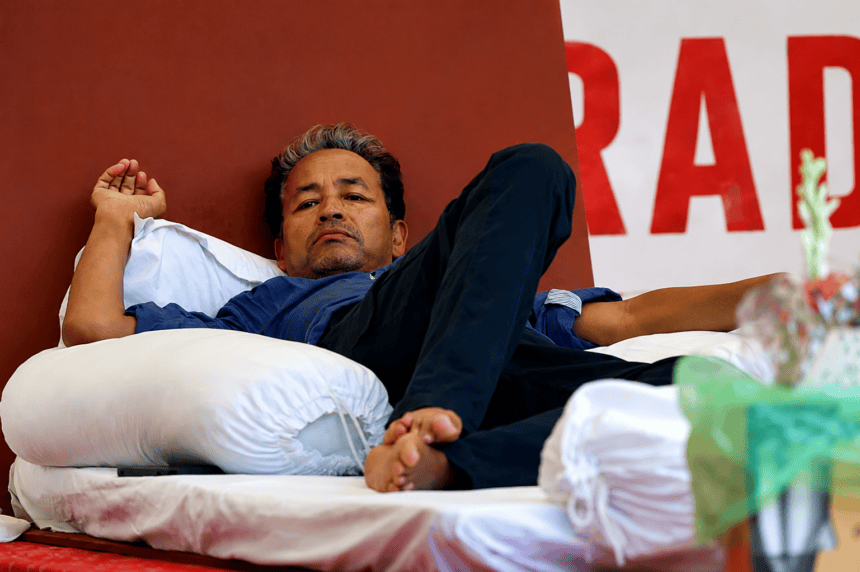
LEH — Climate activist Sonam Wangchuk ended his 26-day hunger strike Tuesday night after the Ministry of Home Affairs agreed to resume dialogue regarding the constitutional protections for Ladakh.
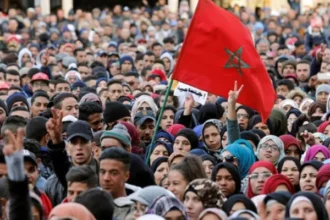
The protest, which saw Wangchuk endure sub-zero temperatures in the high-altitude region, forced the central government to reconsider its stance on the Union Territory’s status. Thousands of supporters gathered in Leh to witness the activist sip a glass of juice, marking the end of a fast that had paralyzed local commerce and drawn national attention to the remote Himalayan region.
The government’s decision to engage came hours before a planned “border march” by local groups, a move that threatened to escalate tensions along the sensitive Line of Actual Control. Officials confirmed that a high-level committee will meet with Ladakhi representatives next week to discuss demands for statehood and the inclusion of the region under the Sixth Schedule of the Constitution.
Wangchuk’s demands center on environmental preservation and political autonomy. He argues that Ladakh’s fragile ecosystem cannot withstand unchecked industrial expansion, specifically mining projects that have gained traction since the region was stripped of its special status in 2019.
“This is not a victory for me, but for the people of Ladakh who stood in the cold for weeks,” Wangchuk told the crowd. “The government has finally recognized that our land and our culture are not for sale.”
The administration, however, has remained cautious. While the Ministry of Home Affairs has committed to talks, it has not provided a written guarantee on the specific constitutional protections requested. For many in Leh, the promise of a meeting is merely the first hurdle.
The protest resonated far beyond the mountains. Solidarity fasts were held in Delhi, Mumbai, and Bengaluru, turning a regional dispute into a broader debate about federalism and environmental governance in India.
For now, the streets of Leh have returned to a quiet rhythm. But the underlying tension remains. If next week’s talks fail to produce concrete policy shifts, the movement has already demonstrated it has the endurance to sustain a much longer fight.