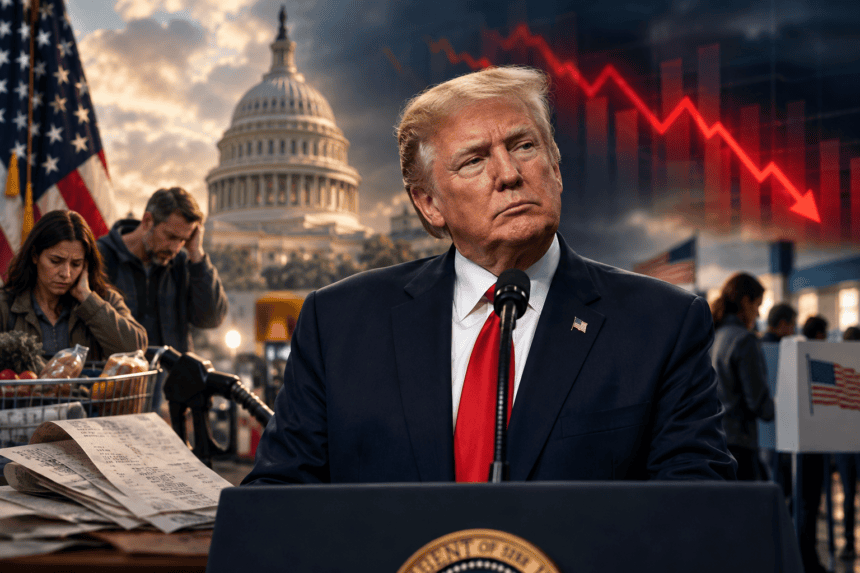
Donald Trump’s approval rating has slipped to 33%, a stark indicator of shifting voter sentiment as economic anxiety takes center stage ahead of the midterm elections. The numbers, pulled from the latest national polling, place the former president at his lowest point of the current cycle, reflecting a growing disconnect between his base and the suburban voters he needs to flip key districts.
The drop isn’t just a statistical blip. It signals a hardening reality for the Republican ticket: the economy is no longer just a campaign talking point—it’s a liability. With persistent inflation and high interest rates squeezing household budgets, voters are signaling that they hold the former administration’s legacy, and current party platform, accountable for their daily financial strain.
“People are tired of the noise,” says Sarah Jenkins, a political strategist who has tracked swing-state sentiment for over a decade. “They aren’t looking for a rally. They’re looking for someone to explain why their grocery bill is up 20% and why they feel less secure than they did four years ago. Right now, Trump isn’t providing those answers.”
The data shows a distinct fracture in voter loyalty. While Trump maintains a firm grip on his core supporters, his numbers among independents—the group that typically decides midterm outcomes—have cratered. This demographic is increasingly prioritizing stability over the combative populist rhetoric that defined his previous campaigns.
The campaign has largely pushed back, citing internal polling that suggests a different narrative. Yet, the public-facing numbers remain stubborn. For candidates running down-ballot, the challenge is now mathematical: how to distance themselves from a leader whose popularity is dragging, without alienating the voters who still show up to the polls for him.
As the midterms approach, the strategy is becoming clear. Democrats are leaning into the economic pain points, while Republicans are scrambling to pivot the conversation back to border security and cultural issues. It’s a high-stakes gamble. If the economic outlook doesn’t brighten by Election Day, the 33% figure may be the least of the party’s worries.