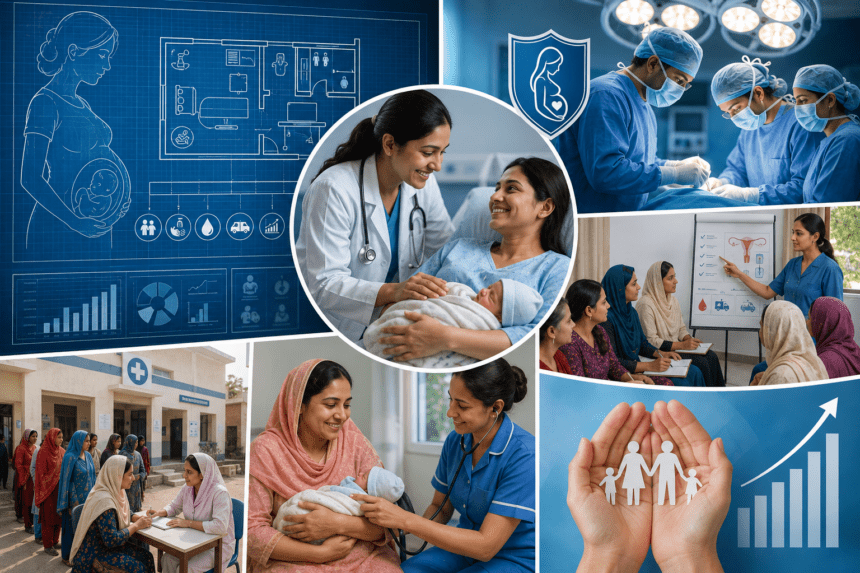
Geneva: A new international blueprint has outlined evidence-based strategies to combat postpartum haemorrhage (PPH)—excessive bleeding after childbirth—which remains one of the leading causes of maternal deaths worldwide. The initiative was presented through a landmark series led by researchers from the World Health Organization, the University of Oxford, and global reproductive health experts.
According to the report, postpartum haemorrhage affects an estimated 27 million women annually and causes nearly 43,000 maternal deaths each year, while imposing a significant economic burden on health systems and families. The blueprint calls for a major shift in how the condition is detected and treated, emphasizing earlier intervention and more accurate measurement of blood loss.
The recommendations include treating women immediately when blood loss reaches 300 milliliters and is accompanied by abnormal vital signs, rather than waiting for more severe symptoms. Experts also urge healthcare providers to use calibrated blood collection drapes instead of relying on visual estimates, which can miss a large proportion of haemorrhage cases.
A key feature of the blueprint is the promotion of the MOTIVE treatment bundle, a rapid-response package that combines uterine massage, oxytocic medication, tranexamic acid, intravenous fluids, and examination for the source of bleeding. Researchers say this approach can reduce the progression to life-threatening haemorrhage by up to 60% when implemented promptly.
The report also highlights the importance of preventing haemorrhage before it occurs through better management of maternal anaemia, improved access to contraception, reducing unnecessary caesarean sections, and ensuring the routine use of effective uterotonic medicines after birth. Global health experts are calling on governments and healthcare systems to adopt these proven measures to save thousands of mothers’ lives each year.