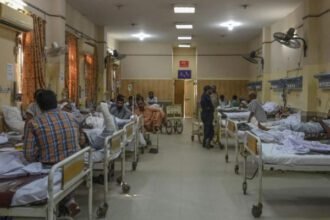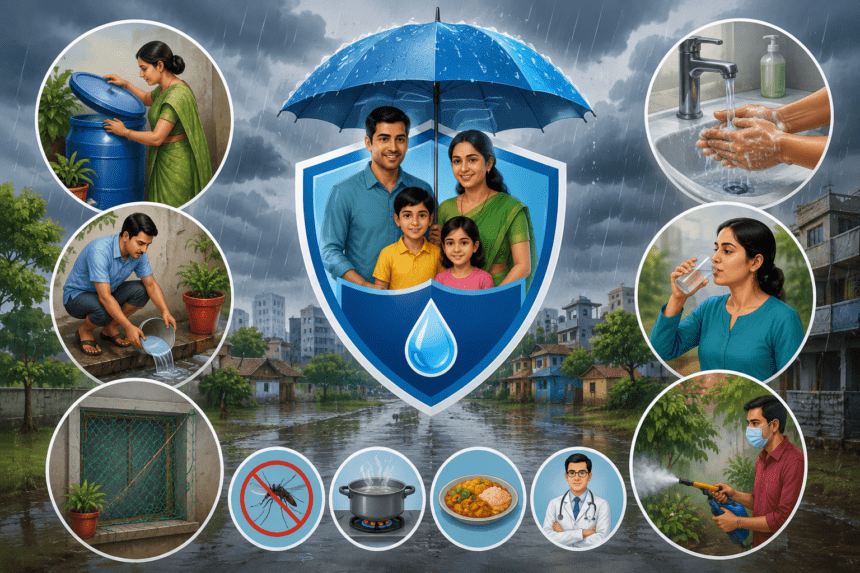
The National Institutes of Health (NIH) has issued a public health advisory warning citizens and health authorities about the increased risk of infectious diseases during the upcoming monsoon season. Heavy rainfall, flooding, waterlogging, and contamination of drinking water sources can create ideal conditions for the spread of various diseases.
According to the advisory, illnesses such as acute watery diarrhea, cholera, typhoid fever, malaria, dengue, chikungunya, leptospirosis, and viral hepatitis A and E are more likely to spread during monsoon months. The NIH urged the public to ensure safe drinking water, maintain proper hygiene, avoid stagnant water, and seek immediate medical attention if symptoms appear.
The health body also advised provincial authorities to strengthen disease surveillance, improve sanitation measures, and conduct awareness campaigns to reduce the risk of outbreaks. Citizens have been encouraged to use mosquito repellents, wear protective clothing, and eliminate mosquito breeding sites around homes and workplaces.
Health experts stress that timely preventive measures can significantly reduce the burden of monsoon-related diseases and help protect vulnerable communities across Pakistan.