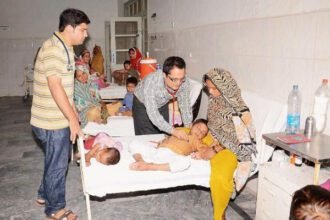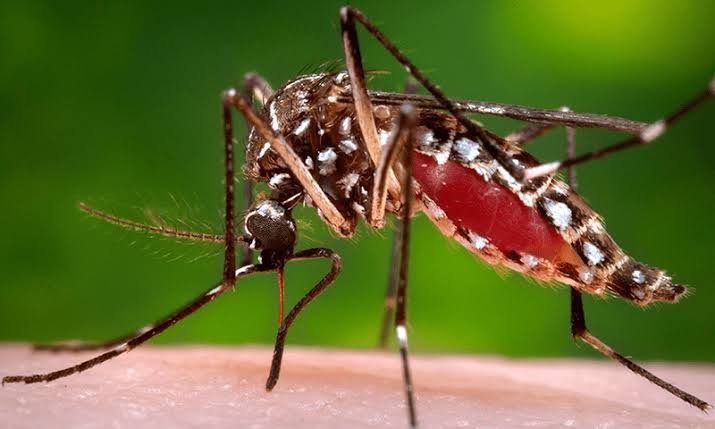
Dengue fever continues to spread across Khyber Pakhtunkhwa (KP) as favourable weather conditions are allowing mosquitoes responsible for transmitting the disease to survive and reproduce despite the arrival of cooler temperatures.
According to a report released by the Integrated Disease Surveillance and Response System (IDSRS) of the provincial Health Department, KP recorded 49 new dengue cases in the last 24 hours, taking the total number of infections reported this year to 6,462.
The province has already surpassed its 2025 total of 6,281 cases. While four people died from dengue last year, one death has been reported so far in 2026.
Kohat Emerges as the Most Affected District
Kohat has become the worst-affected district, recording 3,580 dengue cases this year. It has also become the third district in KP to cross the 1,000-case mark in a single year.
Peshawar stands second with 785 reported infections, followed by Khyber with 762 cases.
Other districts reporting dengue infections include:
- Bannu: 215 cases
- Haripur: 166 cases
- Karak: 114 cases
- Charsadda: 109 cases
- Mansehra: 107 cases
Dengue Cases Continue Despite Falling Temperatures
November, which normally marks the beginning of a decline in dengue infections, has continued to witness new cases.
A total of 189 infections have been reported during November so far, representing the highest number recorded for the month in any year, according to the report.
Health experts attribute the continued spread to temperatures that remain favourable for mosquito survival. Dengue-carrying mosquitoes can remain active in temperatures ranging from 18 to 30 degrees Celsius.
Experts have warned that mosquitoes can also survive inside homes, where relatively warmer conditions allow them to continue biting and transmitting the virus.
171 Patients Still Under Treatment
According to the latest provincial surveillance report:
- Total confirmed cases: 6,462
- New cases in the last 24 hours: 49
- Active patients: 171
- Recovered patients: 6,290
- Reported deaths: 1
Health Experts Urge Public to Eliminate Breeding Sites
Health experts have stressed that fumigation alone cannot eliminate dengue because mosquitoes continue to emerge from eggs laid in stagnant water.
Residents have been advised to cover water-storage containers, regularly change stored water and remove stagnant water from rooftops, flowerpots, tyres and other household areas.
Experts have also highlighted the need for coordinated action by municipal administrations and other government departments to eliminate mosquito breeding sites outside residential areas.
The provincial Health Department and local administrations are continuing anti-dengue activities, including fumigation and other mosquito-control operations.
However, experts believe that greater public awareness, improved water-storage practices and community participation are essential to controlling the outbreak.
They have warned that dengue transmission is unlikely to decline significantly until temperatures fall further, with a substantial reduction expected when temperatures approach 15 degrees Celsius.