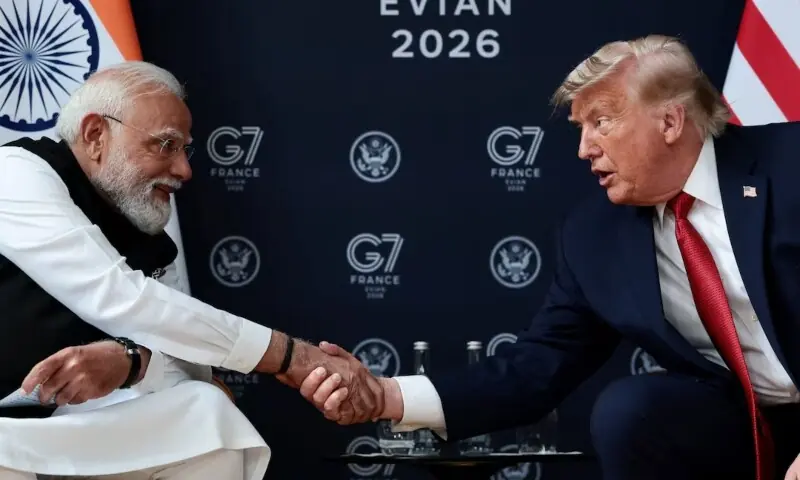
Bengaluru, India — A decision to name a road after former U.S. President Donald Trump in one of India’s leading technology hubs has sparked political controversy and drawn criticism from members of Prime Minister Narendra Modi’s ruling party.
The proposal, which was approved by local authorities, was intended to recognize the importance of India-U.S. relations and the growing cooperation between the two countries in areas such as technology, trade, and investment. Supporters of the move argued that honoring an internationally recognized political figure could strengthen the city’s global profile.
However, the decision quickly became the subject of debate, with several politicians and community leaders questioning the appropriateness of naming a public road after a foreign political figure. Critics argued that local historical figures, scientists, social reformers, and national heroes should be given priority in public naming decisions.
Members of the Bharatiya Janata Party (BJP), the party led by Prime Minister Modi, reportedly described the move as “outrageous” and unnecessary. Some party representatives expressed concern that the decision could overshadow the contributions of Indian personalities who have played significant roles in the country’s development.
The controversy has also generated widespread discussion on social media, where users have expressed mixed opinions. While some welcomed the gesture as a symbol of strong ties between India and the United States, others viewed it as an example of excessive attention being given to foreign leaders.
Political analysts noted that public naming decisions often carry symbolic importance and can become politically sensitive. They pointed out that debates over monuments, roads, and public spaces frequently reflect broader discussions about national identity, historical recognition, and political priorities.
Local officials defended the proposal, emphasizing that it was intended as a diplomatic and cultural gesture rather than a political endorsement. They also highlighted the city’s status as a global technology center with strong international connections.
Despite the criticism, authorities have indicated that they will review public feedback before making any final decisions regarding the naming process. Community groups and local residents have also called for broader consultation on matters involving public landmarks and infrastructure.
As discussions continue, the debate has underscored the strong opinions that public commemorations can generate. Whether the road ultimately retains the proposed name or is renamed after another figure remains to be seen, but the issue has already become a prominent topic in local and national political conversations.