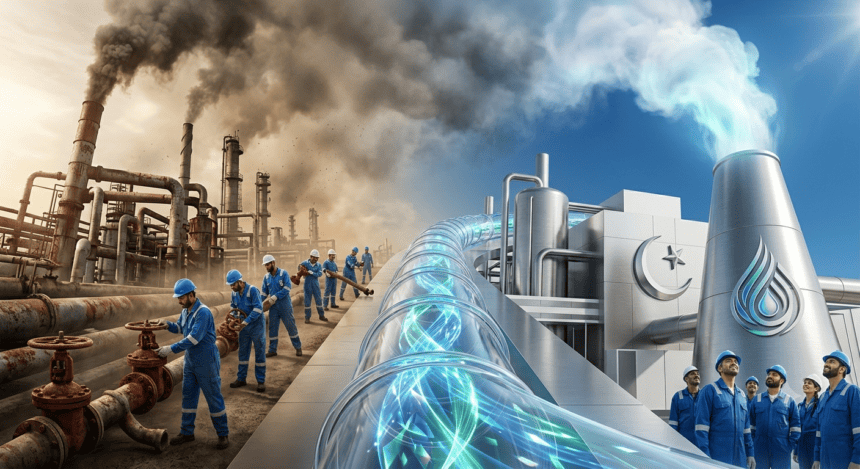
Pakistan’s energy sector is finally shifting gears. The government has officially cleared the path for local refineries to upgrade their infrastructure to produce Euro-5 standard fuel, a move aimed at slashing the toxic emissions choking major cities like Lahore and Karachi.
For years, local refineries relied on outdated technology, churning out fuel that failed to meet modern environmental benchmarks. The new policy forces a change. Refineries now have a strict timeline to complete their upgrades, or they face losing their licenses to operate.
The stakes go beyond cleaner air. Pakistan’s reliance on imported, high-grade fuel has been a constant drain on its dwindling foreign exchange reserves. By producing Euro-5 locally, the state expects to trim its import bill while simultaneously lowering the health costs associated with air pollution—costs that currently account for a significant chunk of the national GDP.
“We aren’t just looking at environmental compliance; we are looking at survival,” an official from the Petroleum Division told reporters. “The refineries knew this was coming. The grace period is over.”
Refineries, however, remain cautious. Upgrading processing units requires heavy capital investment—often running into hundreds of millions of dollars—at a time when the rupee is volatile and financing is expensive. Some industry players have privately questioned whether the government will offer tax breaks or duty waivers on the imported machinery required for the transition.
The shift brings Pakistan in line with regional neighbors who adopted cleaner fuel standards nearly a decade ago. It’s a late, yet necessary, pivot. For a country where smog has become a seasonal health crisis, the move to Euro-5 is the first real attempt to tackle the source of the pollution rather than just reacting to the symptoms.
Refineries have six months to submit their detailed transition plans. If they fail to meet the new benchmarks, the government plans to impose heavy production penalties—a signal that the era of low-grade, high-emission fuel is coming to an end.