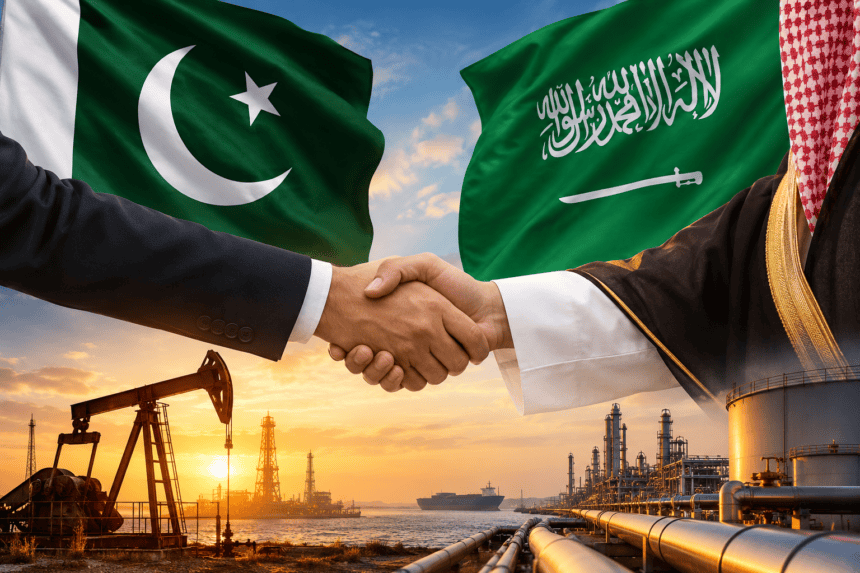
ISLAMABAD — Pakistan and Saudi Arabia have finalized a roadmap to deepen energy cooperation, setting the stage for a long-delayed multibillion-dollar oil refinery project in Balochistan.
The agreement followed high-level meetings in Riyadh this week, where Pakistani officials met with their Saudi counterparts to move beyond memorandum-of-understanding (MoU) territory. The focus is now on the $10 billion refinery and petrochemical complex in Gwadar, a project that has stalled for years due to financing hurdles and regional security concerns.
For Pakistan, the deal offers a lifeline. The country currently spends roughly $20 billion annually on petroleum imports, a massive drain on its depleting foreign exchange reserves. A local refinery would allow Pakistan to process crude oil domestically, potentially saving billions in import costs and stabilizing the rupee.
“We aren’t just talking about trade anymore,” a senior official in the Petroleum Division said on condition of anonymity. “The Saudis are looking at infrastructure integration. They want a stake in the energy value chain, not just a customer.”
Riyadh’s interest is rooted in its Vision 2030 strategy. By securing a footprint in Pakistan’s energy sector, the Kingdom gains a strategic foothold in the South Asian market and a crucial link to the China-Pakistan Economic Corridor (CPEC).
The deal isn’t just about the refinery. Both nations have agreed to expedite a pipeline infrastructure project and explore joint ventures in renewable energy, specifically solar power in Pakistan’s southern regions.
However, the timeline remains the primary obstacle. Previous deadlines for the Gwadar refinery came and went without a single brick being laid. This time, the Saudi delegation has requested a “fast-track” legal framework to bypass the bureaucratic red tape that previously paralyzed the project.
The Petroleum Minister, Musadik Malik, told reporters in Islamabad yesterday that the government is finalizing a new investment policy to incentivize foreign energy firms. He stopped short of providing a launch date for the refinery but confirmed that “the financial architecture is finally in place.”
Whether this latest pact survives the volatile political climate in Islamabad remains the central question. Investors have seen similar announcements fail to materialize in the past. For now, the agreement provides a much-needed signal to international markets that Pakistan is open for energy business — provided it can actually deliver on the ground.