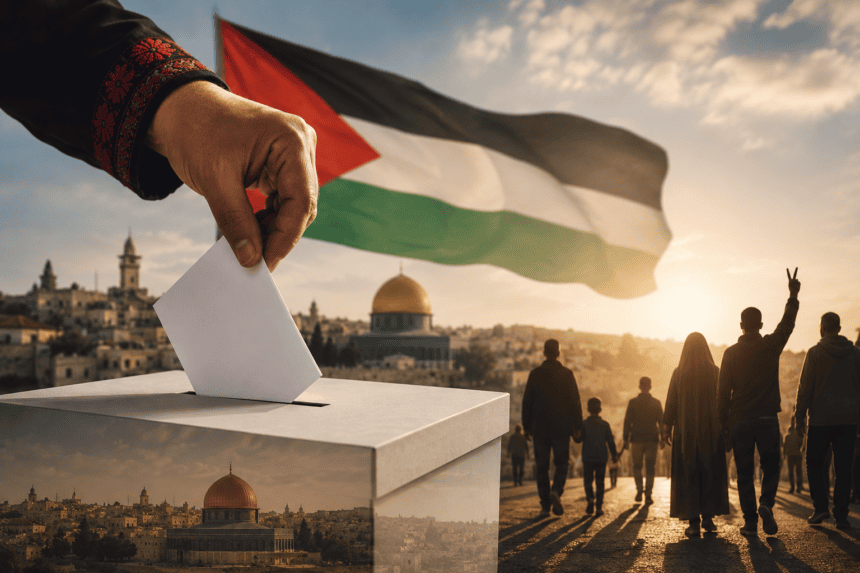
Palestinian Authority President Mahmoud Abbas has signed a decree calling for the first legislative elections in 20 years, setting a timeline that could end a long-standing political stalemate. Voters will head to the polls in May for legislative seats, followed by a presidential ballot in July.
The announcement aims to bridge the deep divide between the Fatah-led West Bank and Hamas-controlled Gaza, a rift that has paralyzed Palestinian governance since 2007. Whether this election cycle survives the region’s volatile political climate remains the central question.
Past attempts to hold elections have collapsed under the weight of internal disputes and external pressure. This time, the PA faces mounting domestic frustration over corruption, a stalled peace process, and the economic fallout from the pandemic. Analysts suggest Abbas is gambling that a democratic mandate will renew his legitimacy with the Biden administration and regional players.
Hamas has signaled cautious support, viewing the ballot as a mechanism to integrate into the formal Palestinian political structure. However, the movement’s leadership insists that the vote must be free from interference—a tall order given Israel’s security control over the West Bank and the complex logistics of coordinating voting in Gaza.
The election process hinges on several variables, including the potential candidacy of imprisoned figures and the ability of opposition factions to campaign without harassment. Critics argue that the two-decade gap has created a political vacuum where a new generation of voters has never cast a ballot, leaving the outcome unpredictable.
If these elections proceed as scheduled, they would represent the most significant shift in Palestinian leadership since the death of Yasser Arafat. But history serves as a warning; multiple previous agreements between Fatah and Hamas have failed to materialize, leaving many Palestinians skeptical that this decree will lead to anything more than another delay.
For now, the Palestinian Central Elections Commission has begun the technical groundwork. The real test won’t be the signing of the decree, but whether the competing factions can keep the peace long enough for a ballot to actually reach the boxes.