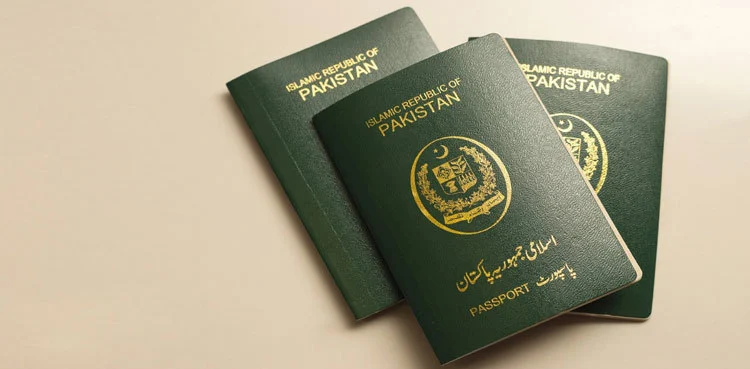
Pakistan’s passport-control regime has swung back in the government’s favor, at least for now. On April 27, 2026, the Federal Constitutional Court suspended an earlier Lahore High Court judgment that had curtailed the government’s power to inactivate passports and impose long travel restrictions through the Passport Control List. That means the stricter rules are effectively back in force while the appeal is heard.
The earlier LHC ruling, delivered in late December 2025, had said the federal government could not rely on the Passports Rules 2021 to create powers that were not clearly grounded in the Passports Act, 1974. In particular, the court objected to the executive use of passport “inactivation” and long-duration travel bans, while still recognizing the government’s separate statutory power to cancel, impound, or confiscate passports where the law allowed it.
That is why the latest court move matters. The new suspension does not appear to be a final ruling on the merits; rather, it pauses the effect of the LHC judgment and allows the government’s appeal to proceed. In practical terms, though, the immediate consequence is significant: the government’s previously challenged authority to suspend passports and place people on travel-control lists has been restored pending further proceedings.
The case itself reportedly arose from the deportation of a man from Iran, which brought the legality of these passport-control measures back before the courts. Recent reporting around the appeal says the court heard preliminary arguments, suspended the earlier verdict, and adjourned the matter for fuller examination later.
So the cleanest way to frame the headline is this: the rollback of Pakistan’s passport restrictions has itself been rolled back. The LHC had pushed the government to narrow its use of administrative passport controls, but the Federal Constitutional Court has now put that relief on hold. Until a final judgment arrives, the tougher passport rules are effectively operational again.