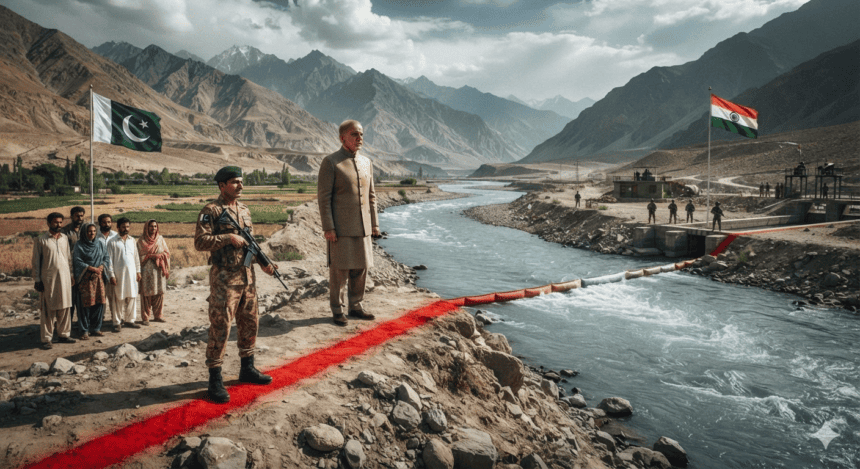
Prime Minister Shehbaz Sharif has issued a sharp ultimatum to New Delhi, declaring Pakistan’s water security a “red line” that will trigger a direct response if India continues to disregard the 1960 Indus Waters Treaty.
The warning marks a sharp escalation in diplomatic rhetoric. Sharif told a cabinet meeting in Islamabad on Tuesday that Islamabad will no longer tolerate unilateral diversions of water flow, which his government claims are drying up downstream agricultural hubs in Punjab and Sindh.
“We have been patient, but patience has a limit,” Sharif said. He directed the Ministry of Water Resources to present a “full-spectrum” legal and diplomatic strategy to the UN Security Council within 72 hours.
The core of the dispute centers on India’s construction of hydroelectric projects on the Kishanganga and Ratle rivers. Pakistan argues these dams violate the technical specifications of the 64-year-old treaty, which was brokered by the World Bank. New Delhi maintains the projects are run-of-the-river schemes permitted under the agreement.
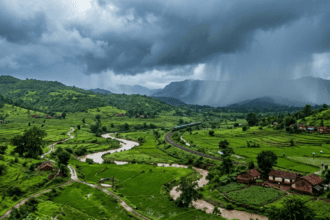
The stakes for Pakistan are existential. Agriculture accounts for nearly 20% of the country’s GDP and employs roughly 40% of the workforce. Any reduction in flow during the sowing season threatens to trigger a food security crisis that the cash-strapped nation is ill-equipped to handle.
“This isn’t just about electricity or infrastructure,” said Dr. Arshad Malik, an Islamabad-based water policy analyst. “It’s about the lifeblood of our rural economy. When the water stops, the harvest stops. That is the reality the Prime Minister is reacting to.”
India has previously dismissed Islamabad’s concerns as “alarmist,” accusing Pakistan of using water disputes as a proxy for broader geopolitical tensions. New Delhi has increasingly signaled a desire to bypass the neutral expert process established by the treaty, preferring bilateral talks that have remained stalled for years.
The Prime Minister’s rhetoric suggests a shift in policy. By labeling the issue a “red line,” Sharif is signaling that the government is prepared to move beyond diplomatic protests and into the realm of retaliatory measures.
Whether this is a genuine pivot toward a hardline stance or a strategic move to secure international arbitration remains the central question. For now, the Ministry of Foreign Affairs is preparing for a high-stakes standoff, with the government making it clear that it considers the current water flow a matter of national survival.