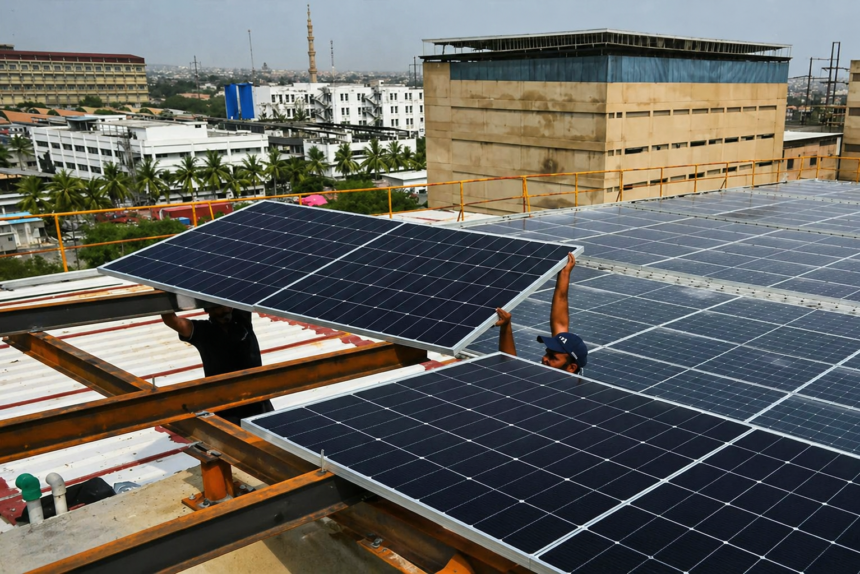
Pakistan’s Power Division has urged Nepra to abolish the generation licence requirement and related fee for solar consumers with systems below 25 kilowatts, pushing back against reports that ordinary rooftop users were suddenly facing a new regulatory burden. The ministry’s public clarification says no fresh blanket licensing rule has been imposed on all solar consumers, and its own FAQ states that a distributed generation facility above 25kW requires a Nepra generation licence.
The issue blew up after media reports claimed solar users of all sizes would need a Nepra licence and would have to pay a per-kilowatt fee. Those reports described a wider licensing requirement, but the Power Division rejected that reading as misleading and said the government had instead asked the regulator to remove the requirement for smaller consumers.
Why does the 25kW threshold matter? Because that line effectively separates larger distributed generation setups from the smaller residential and small commercial systems that make up much of Pakistan’s rooftop solar market. The Power Division’s published FAQ is explicit: DG facilities above 25kW require a generation licence from Nepra. In practical terms, the latest debate is about whether sub-25kW users should face any licence paperwork or fee at all.
That makes this a regulatory and political signal as much as a technical one. Rooftop solar has expanded rapidly in Pakistan as consumers try to cut bills and protect themselves from unreliable or expensive grid power. Any perception that the government is adding fresh costs to small systems is bound to trigger a backlash. The ministry’s clarification appears designed to calm that fear and draw a line between what is already in the framework and what it wants Nepra to change. This interpretation is based on the ministry’s clarification and the conflicting media reports that followed it.
For now, the important point is simple: this is a proposal or request to Nepra, not a final rule change already in force. Until Nepra formally amends or clarifies the applicable framework, consumers and installers are still dealing with a live regulatory question rather than a settled one.