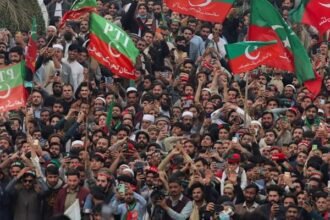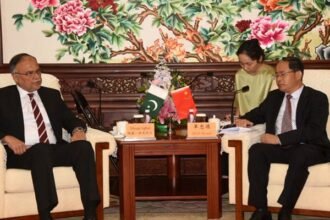
The Pakistan Peoples Party (PPP) and Jamiat Ulema-e-Islam-Fazl (JUI-F) have formally agreed to contest the upcoming Azad Jammu and Kashmir (AJK) elections as a joint bloc. The decision marks a significant realignment in the region’s political landscape, aimed at consolidating anti-incumbency votes against the ruling party.
Leadership from both parties finalized the seat-adjustment formula late Tuesday. The move effectively pools the PPP’s traditional grassroots strength in the valley with the JUI-F’s disciplined organizational network. Neither side has released the full list of constituencies, but sources confirm the alliance covers key districts where both parties previously split the opposition vote.
This partnership isn’t just about numbers. It signals a shift in the regional power dynamic. By aligning, the two parties hope to bypass the internal fragmentation that has historically allowed their opponents to secure seats with minority vote shares.
“We are looking at the bigger picture,” a senior PPP strategist said. He spoke on condition of anonymity, citing the sensitivity of ongoing seat negotiations. “Competing against each other only serves the status quo. This alliance changes that calculus.”
The JUI-F’s participation adds a layer of religious-political weight to the coalition. While the party has historically maintained a distinct ideological platform, its leadership sees the current AJK political climate as an opportunity to secure leverage within the legislative assembly.
Local analysts point out that the success of this alliance hinges on the ground-level transferability of votes. Supporters of the PPP—a party defined by its social-democratic roots—may not automatically back JUI-F candidates. The real test will be whether party workers can set aside years of local rivalry to back a common ticket.
For the ruling party, this coalition creates a direct threat to its hold on power. If the PPP-JUI-F bloc holds, the opposition could potentially flip several swing constituencies that were previously considered safe.
The political math is simple, but the execution remains fraught with risk. With the election date approaching, both parties are now racing to finalize candidates who can appeal to the base of both camps. Whether this alliance acts as a bridge to victory or collapses under the weight of local infighting will become clear as the campaign trail heats up.