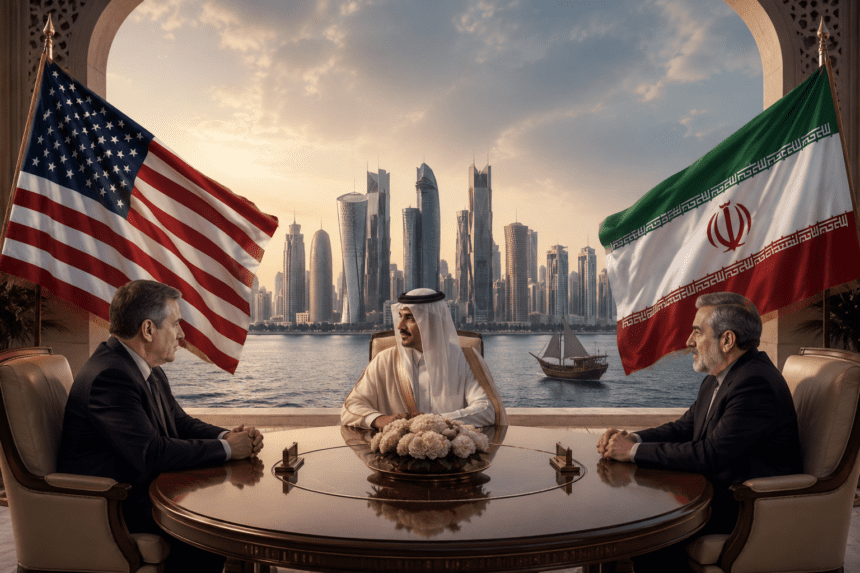
Doha is set to host high-stakes indirect talks between U.S. and Iranian officials, marking a quiet but critical attempt to de-escalate simmering tensions across the Middle East. Mediators from Qatar and Egypt are facilitating the dialogue, aiming to bridge a widening gap between Tehran’s regional proxies and Washington’s security commitments.
The meetings, scheduled for the coming days, come as the risk of a broader regional war remains at its highest point in years. U.S. officials have arrived in the Qatari capital with a narrow objective: establishing clear red lines to prevent a direct military confrontation between Israel and Iran.
For the White House, the urgency is clear. President Biden’s administration wants to avoid being pulled into a multi-front conflict during the final months of his term. Tehran, meanwhile, faces the dual pressure of a struggling domestic economy and the need to project strength without triggering a full-scale assault on its nuclear infrastructure.
“We aren’t looking for a reset, we’re looking for a circuit breaker,” a Western diplomat involved in the planning told reporters on condition of anonymity.
The divide remains substantial. Iran continues to demand a definitive end to the conflict in Gaza as a prerequisite for any meaningful regional cooling. The U.S. delegation, led by veteran envoys, is pushing for an immediate halt to attacks by Iran-backed groups in Iraq, Syria, and the Red Sea.
The Qatari hosts have played this role before, successfully brokering prisoner swaps and humanitarian pauses. This time, the stakes are different. Success won’t be measured by signed treaties or grand announcements. If the meetings produce nothing more than a temporary ceasefire from proxy militias, diplomats in Doha will consider the mission a success.
Without this buffer, the region remains one miscalculation away from a wider war that neither side can fully control. The coming 48 hours in Doha will test whether that buffer still exists.