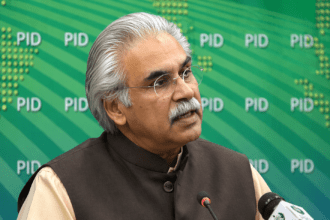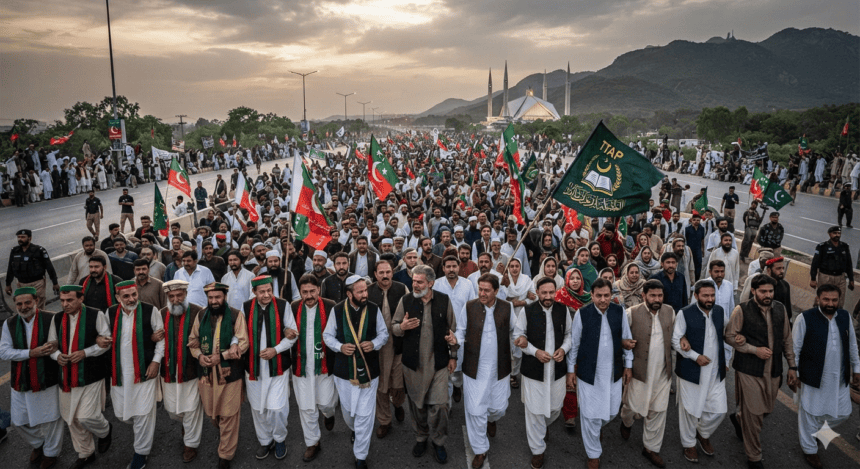
The Pakistan Tehreek-e-Insaf (PTI) and the Tehreek-e-Tahaffuz-e-Ain Pakistan (TTAP) have reached a final agreement to stage a protest march toward Islamabad on September 27. The alliance, confirmed by senior party leader Sohail Afridi, aims to challenge the current administration through a show of street power in the capital.
The decision follows weeks of internal deliberations and back-channel negotiations between PTI leadership and their allies. For the PTI, the march is more than just a rally; it is a strategic maneuver to regain political momentum after a series of legal setbacks and ongoing pressure on its incarcerated leadership.
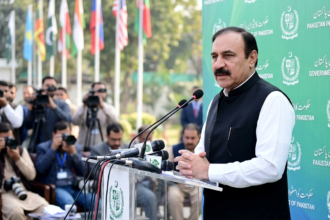
Afridi, speaking to media representatives, emphasized that the protest is non-negotiable. He indicated that the mobilization plan is already in motion, with local chapters across Punjab and Khyber Pakhtunkhwa tasked with ensuring a significant turnout. The party’s objective remains the release of its founder, Imran Khan, and a push for what they term “the restoration of constitutional supremacy.”
The government, however, is bracing for the event with a familiar playbook. Sources within the Interior Ministry suggest that authorities are prepared to utilize container blockades and heavy police deployments to prevent protesters from reaching the D-Chowk area. Similar tactics have successfully neutralized previous protest calls, leading to a cat-and-mouse game between PTI workers and law enforcement.
The alliance with TTAP serves a specific purpose. By bringing smaller political entities into the fold, the PTI hopes to broaden its protest base beyond its core support, signaling that the move is part of a larger national movement rather than a single-party agenda. Critics argue, however, that the alliance lacks the cohesion required to sustain a long-term standoff in the capital.
The success of the September 27 protest will likely hinge on the PTI’s ability to navigate the legal and administrative hurdles already being laid by the state. With the capital’s security apparatus on high alert, both sides appear set for a confrontation that could further polarize an already strained political environment.
Whether the march results in a breakthrough for the opposition or another cycle of arrests and blockades rests on the turnout—and the government’s threshold for managing it.