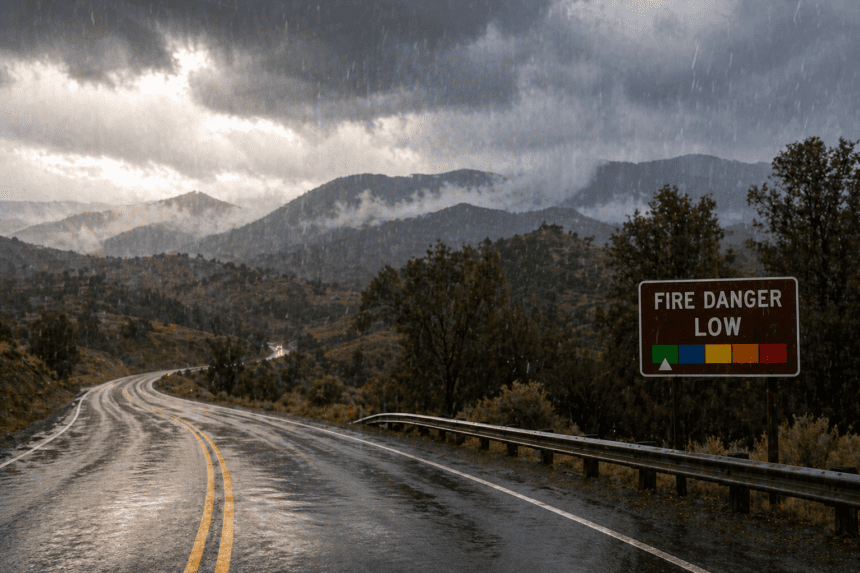
Rain is finally coming to the South. A slow-moving storm system will dump several inches across the Gulf Coast and interior Southern states through Sunday, cutting wildfire risks and chipping away at a stubborn autumn drought. Forecasters expect a wide swath of the region from East Texas through Alabama and into the Florida Panhandle to see between two and five inches of rain.
For many communities, this is the first significant soak in weeks. It arrives just as local fire departments were bracing for a dangerous late-season burn window. The timing is critical.
Large portions of the Gulf South have slipped into “severe” or “extreme” drought categories over the last month. The parched soil and dry brush turned much of the landscape into a tinderbox. This weekend’s deluge won’t just settle the dust; it will likely reset the fire clock for the remainder of the year.
“We aren’t just looking at a few showers,” said one National Weather Service meteorologist monitoring the front.
“This is a sustained, moisture-rich system that will actually penetrate the topsoil.” The heaviest rain will likely center on Louisiana and Mississippi on Friday night before sliding east. While the rainfall is largely a blessing, it brings the usual risks. Flash flooding is a concern in low-lying areas where the ground is too hard-packed to absorb the water quickly. Meteorologists are watching urban corridors along I-10 particularly closely. Despite the incoming moisture, the South isn’t out of the woods yet.
Long-term climate data shows the region still faces a significant rainfall deficit built up over the late summer. One wet weekend helps, but it doesn’t erase a season of missing storms. Farmers and forestry officials are watching the radar with cautious optimism. For them, the rain means a reprieve from irrigation costs and a lower chance of losing timber to stray sparks.
It’s a much-needed break for a region that has spent the last month watching the skies and hoping for a change in the pattern. The rain should taper off by late Sunday, leaving behind cooler temperatures and a significantly dampened landscape. It’s a start but the South will need several more of these systems before the drought is officially a memory.