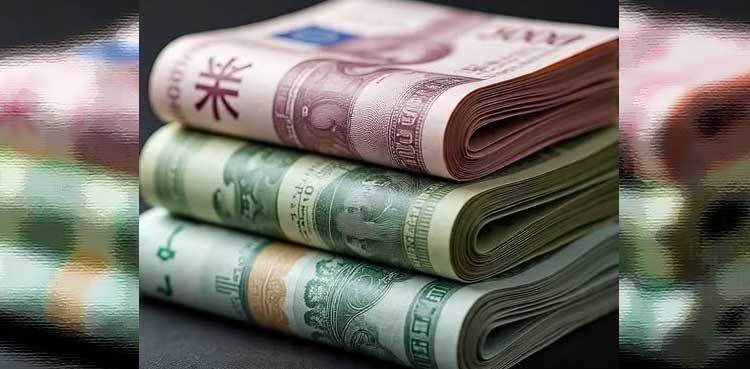
The US dollar climbed 45 paisas against the Pakistani rupee Tuesday, hitting 288.40 in the interbank market. It’s a fresh blow for importers already struggling with high costs at the ports—and it signals a tough week ahead for the local currency.
In the open market, the situation looked even tighter. Exchange companies quoted the greenback as high as 291.00, widening the spread that the central bank typically tries to keep under a tight lid. This isn’t just a banking statistic; it’s a direct driver for the next round of fuel price hikes.
“We’re seeing heavy demand from the energy sector today,” said a senior treasury official at a major private bank. He spoke on condition of anonymity. “Until the expected inflows from the latest bilateral agreements hit the accounts, the rupee is going to stay on the defensive. There’s simply more buying than selling right now.”
The pressure wasn’t limited to the dollar. The Euro climbed to 312.50, while the British Pound reached 364.20, making travel and education remittances significantly more expensive for middle-class families. Across the Gulf corridor, the Saudi Riyal and UAE Dirham followed the dollar’s lead, trading at 76.90 and 78.50 respectively.
Traders at the Pakistan Stock Exchange noted that currency volatility is keeping institutional investors on the sidelines. They’re waiting for a signal from the State Bank of Pakistan. So far, the central bank has maintained a hands-off approach, allowing the market to find its own level—even if that level pinches the consumer.
The next few trading sessions are critical. If the rupee breaks the 290 mark in the interbank, analysts expect a fresh wave of panic buying from corporate hedgers. For now, the market is holding its breath.