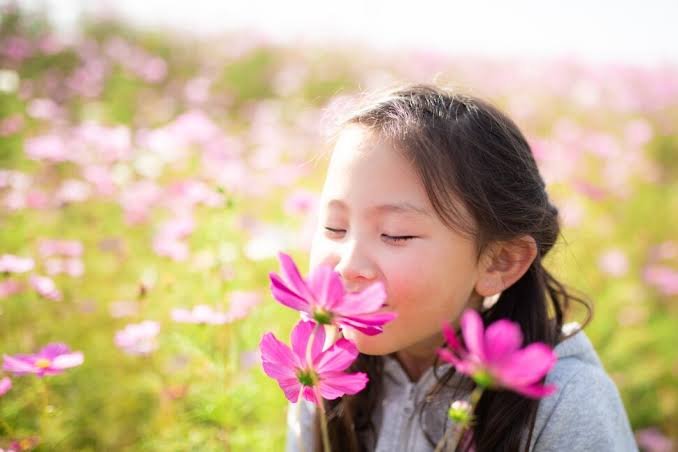
Children should receive more education on how to recognise and describe different smells, according to a historian of smell who says better understanding of aromas could improve wellbeing, awareness and everyday decision-making.
Dr Will Tullett, a historian of smells at the University of York, has called for olfactory education to be introduced in primary and secondary schools. He said children could be encouraged to regularly smell different objects, foods, plants and other substances to develop their ability to distinguish between aromas.
Tullett explained that repeated exposure to different smells can help people build a larger vocabulary for describing aromas. He compared the approach with the way professional sommeliers train their sense of smell by exploring a wide range of scents and learning to compare their similarities and differences.
The scientist also raised concerns that pollution and synthetic fragrances may be affecting how people experience and distinguish smells. Many everyday products, buildings and materials now have artificial scents, potentially reducing exposure to their natural aromas.
Learning about smells could also have practical benefits. Tullett pointed to food safety as one example, saying that recognising whether food smells fresh or spoiled can provide an additional clue when deciding whether it should be consumed or discarded.
The sense of smell may also be connected to mental wellbeing. According to Tullett, research has shown that the ability to enjoy and experience smells is closely linked with wellbeing, while loss of smell can sometimes be associated with symptoms such as depression and anxiety.
Experts also say smells can trigger powerful memories and emotions. Giving children the confidence and language to talk about aromas could therefore help them better understand their own experiences and appreciate differences in how other people respond to particular smells.
Tullett stressed that smell should also be approached with greater empathy and awareness, as people may have very different reactions to the same aroma. He argued that understanding these differences could help reduce the tendency to judge people or cultures based on their smells and encourage greater appreciation of the role scent plays in everyday life.