KARACHI — The federal and provincial governments have agreed to revive the long-stalled Karachi Circular Railway (KCR), officials confirmed Tuesday. The decision follows a high-level meeting in Islamabad aimed at untangling the bureaucratic and financial knots that have kept the city’s mass transit dream in limbo for decades.
The project is now slated to be integrated into the China-Pakistan Economic Corridor (CPEC) framework, a move planners hope will secure the necessary funding and technical oversight to keep the work on track.
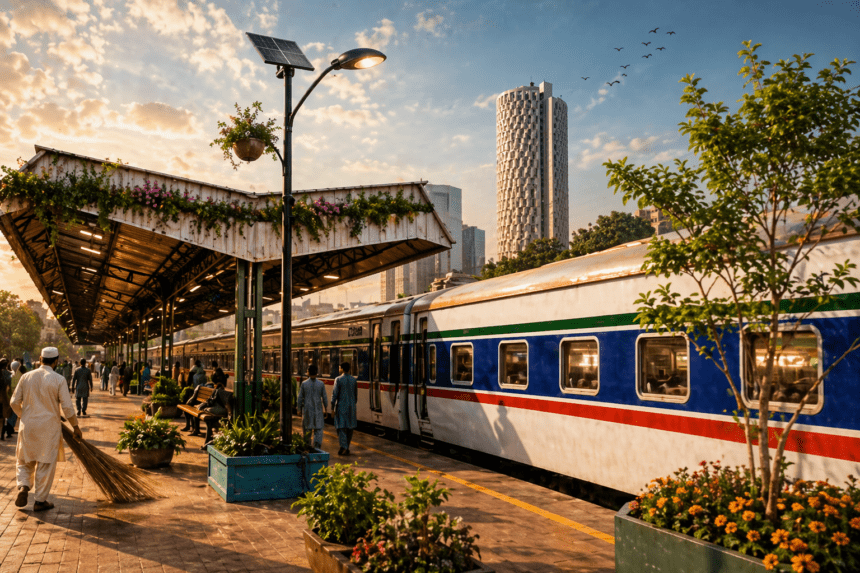
For Karachi’s 20 million residents, the news offers a sliver of hope. The city currently relies on a fractured public transport system, leaving commuters at the mercy of expensive private ride-hailing services or overcrowded, dilapidated buses. The KCR, if fully realized, promises to connect the city’s industrial zones with residential hubs, potentially taking thousands of cars off the road.
“We have cleared the primary hurdles regarding land acquisition and project financing,” a senior official at the Planning Ministry told reporters after the session. He declined to offer a specific completion date, citing the complexity of clearing encroachments along the 43-kilometer track.
Previous attempts to restart the KCR have failed due to disputes over land rights and the relocation of families living along the railway corridor. This time, the government says it is prioritizing a “compensation-first” approach for those displaced by the construction.
The project’s revival is not just a logistical necessity; it’s a political one. Both the PPP-led Sindh government and the federal coalition are keen to deliver a “win” for Karachi, a city that has long complained of being ignored by Islamabad.
Critics, however, remain cautious. They point to the history of broken promises and the massive cost overruns that plague infrastructure projects in Pakistan. For the plan to survive, it needs more than just a memorandum of understanding signed in a boardroom. It needs consistent, ring-fenced funding that won’t vanish when the next budget cycle hits.
As of now, the technical teams are scheduled to begin a fresh feasibility survey next month. Whether this effort finally puts the KCR back on the tracks or adds to its long history of false starts, the coming months will determine.