
KARACHI: There is no situation which demands emergency action like seeking the help of army, says minister. Sindh can flood between September 2 and 3.Guddu barrage water outflow at 351,000 cusecs. Sukkur barrage releasing 289 000 cusecs at the moment
Senior Minister of Sindh, Sharjeel Inam Memon has threatened that as many as 1.6 million citizens in 1,657 villages may be hit in case floodwaters get into the province in the near future. Memon addressed the media on Saturday and said the provincial government had mobilized its machineries and was making prior preparations to address the situation. On the ground ministers, as well as the district administration, are also busy at it, he added.
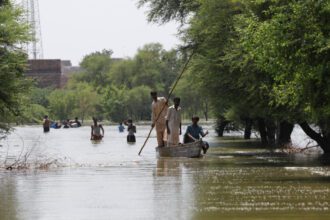
The statements made by the minister are made in the light of vast expanses of land being left in floods in Punjab where at least 30 persons have been killed and more than 1.5 million have been affected courtesy of swelling Sutlej, Chenab and Ravi rivers caused by torrential rains and water discharge by India.
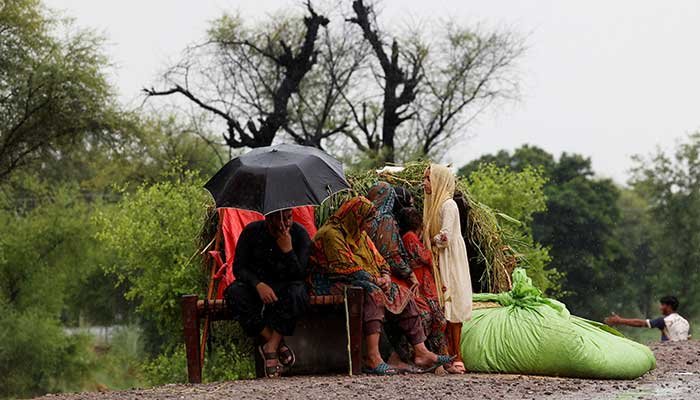
As people strive to evacuate people to safe places, up to 481,000 individuals have been evacuated in the province which has been hit by floods.
Elsewhere, the Sindh government has identified 551 points of relief camps with 192 rescue boats on standby, according to Memon. About 273,000 households and 167 union councils will be affected in case of a further increase in water levels. He reported that the floodwaters would enter Sindh in September (2-3).
According to Memon, Guddu barrage was presently releasing 351,000 cusecs of water, Sukkur 289,000 cusecs and Kotri 251,000 Cusecs. Guddu is 1.2 million cusecs, Sukkur 900,000 cusecs, and Kotri, he said, 600,000 cusecs. Currently, the data show that there is no alarming situation, and in case no additional heavy rains follow, the situation can be kept under control.
The senior minister stressed that there was no threat to the urban centres at hand and speculation was to be avoided. The state of things, he emphasized, did not demand such emergency intervention as soliciting army support, the provincial government was self-sufficient and coping with the crisis.
Memon also told me that it was sensitising people of katcha (riverine) areas because they were the most conscious of the behaviour of the water. Raising the water level, people are ready to go to pucca (settled) territories or live with their relatives, he said.
He also added that 300 distinct camps had been established to take care of the cattle and 15 districts of Sindh on the river banks were being guarded closely.
Pakistan is one of the nations that have been the most hit by climate change. Building should never be in riverbeds,” Memon added, and that the data on water inflows and outflows at barrages would be exchanged each three hours.