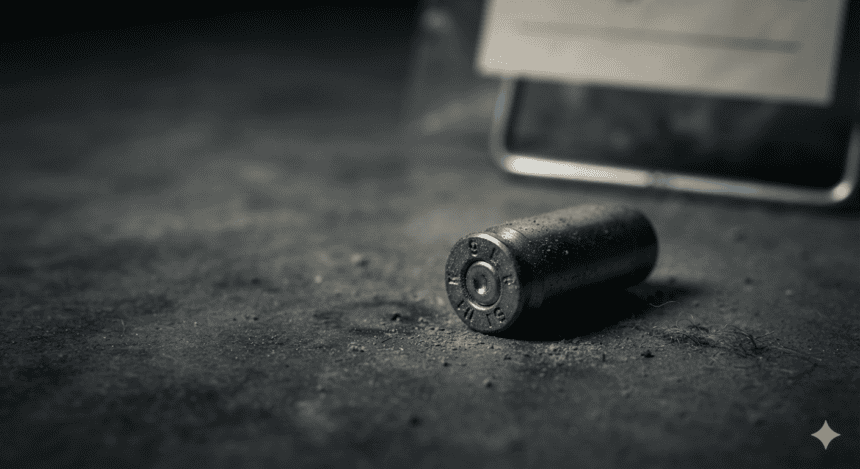
Six days after the shooting of Mir Raza Ali, the single bullet casing recovered from the crime scene sits in a police locker, untouched by forensic experts. Investigators have yet to initiate the ballistics testing required to link the evidence to a specific weapon, leaving the investigation stalled at a critical juncture.
The delay has fueled growing frustration among the victim’s family, who fear that time is eroding the trail of those responsible. While local police maintain that the case is being handled with “due diligence,” they have offered no explanation for why the primary piece of physical evidence remains unexamined nearly a week after the incident.
A senior official within the department, speaking on condition of anonymity, admitted that the forensic lab is facing a significant backlog. However, he could not confirm why this specific piece of evidence was not prioritized given the high-profile nature of the case.
“We are moving through the standard protocol,” the official said, though he stopped short of providing a timeline for when the results might be ready.
For the investigators, the bullet casing is the missing link. Without a ballistics match, they cannot determine if the weapon used in the attack on Ali has been involved in previous criminal activity—a detail that could break the case wide open. Currently, the investigation relies almost entirely on fragmented CCTV footage from the surrounding area, which has so far failed to provide a clear identification of the suspects.
Legal observers suggest the silence from the department is standard, yet damaging. In cases where forensic analysis is delayed, the likelihood of securing a swift arrest diminishes as potential witnesses become harder to track and digital evidence expires.
As the seventh day approaches, the family is left waiting for a breakthrough that hinges on a single, silent piece of metal currently sitting in a sterile evidence bag. Whether the lab can provide clarity or if the investigation will continue to drift remains the central question for a police force under increasing public scrutiny.