Europe’s relationship with summer has snapped. For generations, the months between June and August meant coastal holidays and long, languid evenings. Today, they mean heat-health alerts, melting infrastructure, and a constant, low-level anxiety about the next spike in temperature.
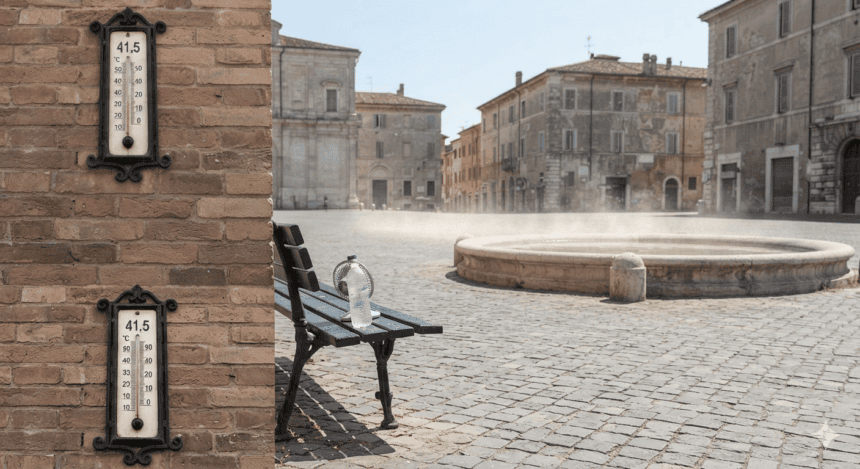
The data confirms the shift. The last decade has seen the continent warm twice as fast as the global average. In the Mediterranean, the mercury now regularly clears 45°C (113°F), turning once-pleasant tourist hubs into zones where midday movement is a health risk.
It’s not just the heat; it’s the persistence. The “heat dome” phenomena that once felt like freak weather events are now the standard. For the generation that grew up with air conditioning as a luxury—or a complete afterthought—the current reality is a brutal adjustment.
“We’re living in a different climate than our parents,” says Dr. Elena Rossi, a climate researcher based in Milan. “You can’t just ‘get through’ a heatwave anymore. You have to reorganize your entire life around it.”
This reorganization is visible everywhere. Schools in the UK and France are struggling to keep classrooms ventilated as buildings designed to trap heat for winter become greenhouses. Rail operators in Germany and Spain are forced to impose speed restrictions because tracks warp under the stress. These aren’t just inconveniences; they are systemic failures of an infrastructure built for a world that no longer exists.
The economic cost is mounting. Agriculture—the backbone of the rural economy—is being decimated by prolonged droughts. Olive oil prices, for instance, have surged to historic highs as southern groves struggle to survive the parched soil. Farmers are no longer just fighting pests or market fluctuations; they are fighting the calendar.
Public health remains the most pressing concern. The 2022 and 2023 heatwaves were linked to tens of thousands of excess deaths across the continent, primarily among the elderly. Hospitals are now bracing for “heat seasons” much like they once braced for flu spikes.
The social contract of a European summer is fraying. The siesta, once a cultural quirk of the south, is becoming a survival necessity for the north. People are shifting their work hours, avoiding public transit during peak sun, and reconsidering travel plans to regions that were once considered mild.
As the continent enters another summer cycle, the question isn’t whether it will be hot. The question is how much more of the status quo will evaporate before the policy response finally matches the thermometer.