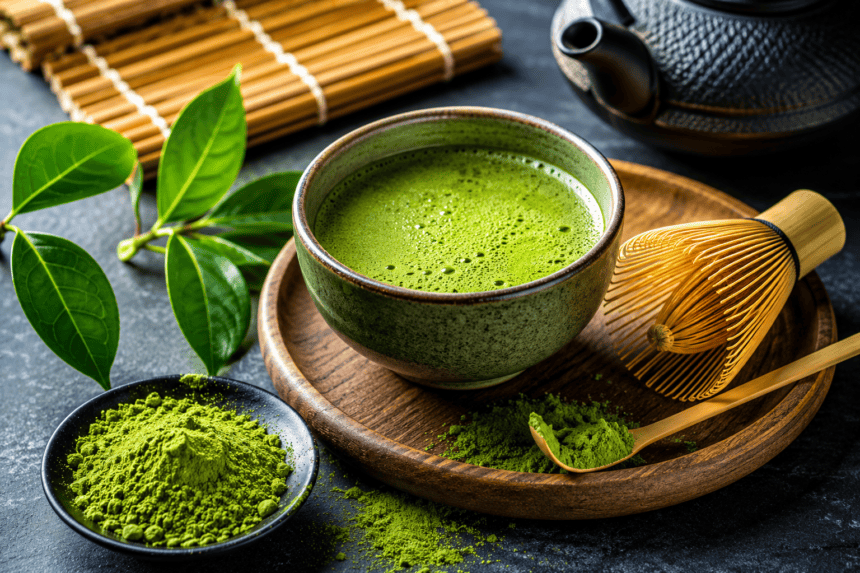
Matcha tea has become one of the world’s most popular health beverages, praised for its vibrant green color and impressive nutritional profile. Unlike regular green tea, where the leaves are steeped and discarded, matcha is made by grinding whole green tea leaves into a fine powder. This means you consume the entire leaf, providing a higher concentration of beneficial nutrients and antioxidants.
While matcha is not a miracle drink, adding it to a balanced diet may offer several health benefits.
What Makes Matcha Special?
Matcha comes from the same plant as green tea (Camellia sinensis), but it is grown differently. Before harvesting, tea plants are shaded for several weeks, increasing their chlorophyll and amino acid content. The leaves are then carefully dried and ground into a fine powder.
As a result, matcha contains higher levels of antioxidants and beneficial plant compounds than regular brewed green tea.
1. Rich in Powerful Antioxidants
Matcha is packed with catechins, especially epigallocatechin gallate (EGCG), a powerful antioxidant that helps protect cells from damage caused by free radicals. Antioxidants may reduce oxidative stress and support long-term health.
2. Boosts Energy Naturally
Matcha contains caffeine, but unlike coffee, it also provides L-theanine, an amino acid that promotes calmness while reducing the jittery feeling often associated with caffeine. This combination offers steady energy and improved focus.
3. Improves Brain Function
Studies suggest that the combination of caffeine and L-theanine may enhance attention, memory, concentration, and reaction time, making matcha a popular choice for students and professionals.
4. Supports Heart Health
Regular consumption of green tea has been linked to lower levels of LDL (“bad”) cholesterol and improved blood vessel function. These effects may contribute to a reduced risk of heart disease when combined with a healthy lifestyle.
5. May Aid Weight Management
Some research suggests that green tea compounds may slightly increase calorie burning and fat oxidation during exercise. However, matcha alone is not a weight-loss solution and should be paired with healthy eating and physical activity.
6. Supports the Immune System
Matcha contains vitamins, minerals, and plant compounds that may help support the body’s natural immune defenses. Its antioxidant content also contributes to overall wellness.
7. Promotes Healthy Skin
The antioxidants in matcha may help protect skin cells from environmental damage caused by pollution and UV exposure. Combined with proper skincare and sun protection, it may support healthier-looking skin.
8. May Help Protect the Liver
Some studies suggest green tea may support liver health, although excessive consumption of concentrated green tea extracts can be harmful. Drinking moderate amounts of matcha is generally considered safe for most healthy adults.
How to Enjoy Matcha
- Whisk matcha powder with hot (not boiling) water.
- Add it to smoothies.
- Mix into yogurt or oatmeal.
- Prepare a matcha latte using low-fat or plant-based milk.
- Use it in healthy baking recipes.
Drink in Moderation
Although matcha has many benefits, too much can cause side effects due to its caffeine content, including:
- Difficulty sleeping
- Nervousness
- Increased heart rate
- Stomach discomfort
Most experts recommend limiting intake to 1–2 cups per day.
Final Thoughts
Matcha tea is a nutrient-rich beverage that offers a variety of potential health benefits, from supporting heart and brain health to providing powerful antioxidants and steady energy. While it shouldn’t replace a balanced diet or healthy lifestyle, enjoying matcha in moderation can be a refreshing and nutritious addition to your daily routine.
A single cup of matcha won’t transform your health overnight—but making healthy habits part of your everyday life certainly can.