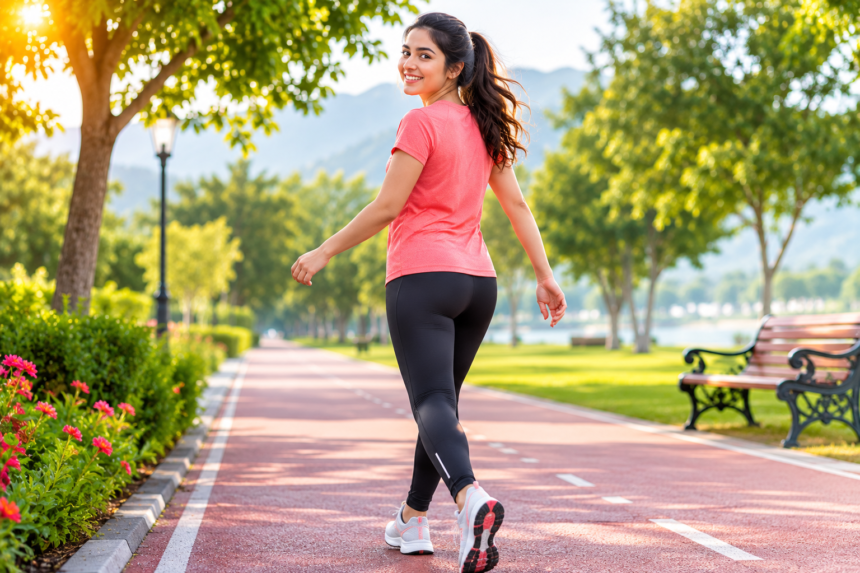
Walking is one of the simplest and most effective forms of exercise, but have you ever tried walking backwards? Also known as retro walking, this unique form of movement is gaining attention from fitness experts and physical therapists for its surprising health benefits. While it may seem unusual, walking backwards can improve balance, strengthen muscles, sharpen the mind, and even support rehabilitation.
What Is Backward Walking?
Backward walking involves moving in the opposite direction of normal walking. Because the body is less familiar with this movement, it requires greater coordination, concentration, and muscle engagement, making it a challenging but rewarding exercise.
1. Improves Balance and Stability
Walking backwards activates muscles differently than forward walking, helping improve balance, posture, and body awareness. This can reduce the risk of falls, especially in older adults.
2. Strengthens Different Muscle Groups
Retro walking places more emphasis on the calves, hamstrings, quadriceps, and core muscles. It also increases the workload on stabilizing muscles that are often underused during regular walking.
3. Burns More Calories
Because backward walking is less efficient than forward walking, your body works harder, leading to greater calorie burn in the same amount of time. It can be a useful addition to weight management routines.
4. Supports Joint Health
Walking backwards may place less stress on the knees while strengthening the muscles around them. Physical therapists often recommend it as part of rehabilitation programs for people recovering from certain knee injuries.
5. Enhances Brain Function
Moving backwards requires greater focus and coordination. This increased mental engagement may improve concentration, reaction time, and cognitive function by stimulating different areas of the brain.
6. Improves Athletic Performance
Athletes often include backward walking or running in their training to improve agility, coordination, speed, and lower-body strength.
7. Promotes Better Posture
Backward walking encourages you to stand upright and engage your core muscles, helping improve posture and spinal alignment over time.
Safety Tips
Because you cannot easily see where you’re going, safety is essential.
- Start on a flat, obstacle-free surface.
- Walk slowly until you become comfortable.
- Use a treadmill only with caution and at a low speed.
- Have someone nearby if you’re new to the exercise.
- Wear supportive footwear with good grip.
- Stop immediately if you feel dizzy or lose balance.
Who Should Avoid It?
People with severe balance disorders, recent injuries, vision problems, or certain neurological conditions should consult a healthcare professional before trying backward walking.
Final Thoughts
Walking backwards may look unusual, but it offers a variety of health benefits—from improving balance and strengthening muscles to enhancing brain function and supporting joint health. Adding just a few minutes of retro walking to your regular exercise routine can provide a fresh challenge and help improve overall fitness.
Sometimes, taking a few steps backward is actually a step forward for your health.