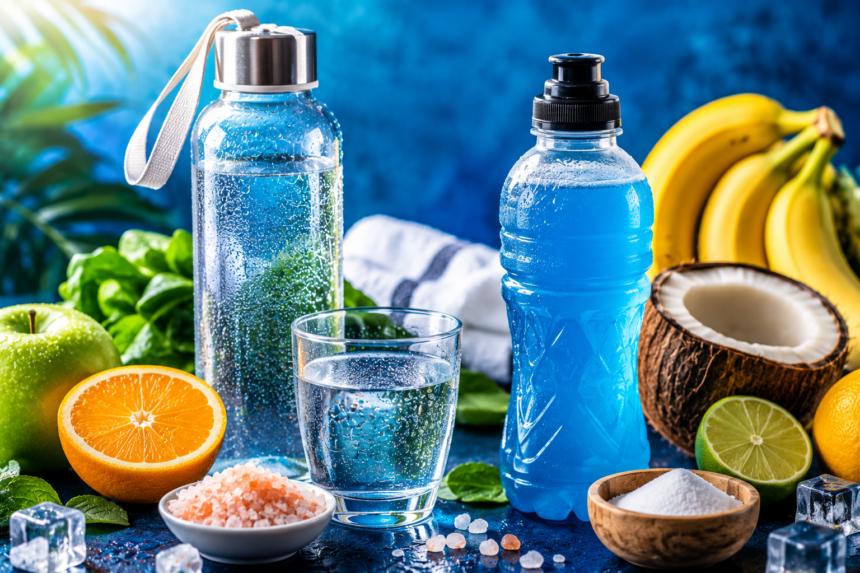
Staying hydrated is essential for maintaining energy, supporting body functions, and preventing heat-related illnesses. In recent years, electrolyte drinks have become increasingly popular, with many people believing they are necessary for proper hydration. But do you really need them every day? The answer depends on your activity level, health, and environment.
What Are Electrolytes?
Electrolytes are minerals that carry an electric charge and help regulate many vital functions in the body. The most important electrolytes include:
- Sodium
- Potassium
- Calcium
- Magnesium
- Chloride
- Phosphate
These minerals help maintain fluid balance, support muscle contractions, regulate nerve signals, and keep your heart functioning normally.
Is Water Enough?
For most healthy people, plain water is all that’s needed to stay hydrated during normal daily activities. If you eat a balanced diet, your body usually gets enough electrolytes from foods such as fruits, vegetables, dairy products, nuts, and whole grains.
Unless you’re losing large amounts of fluids through heavy sweating, illness, or intense exercise, electrolyte drinks are generally unnecessary.
When Do You Need Electrolytes?
Electrolyte replacement can be helpful in certain situations, including:
1. Intense Exercise
If you exercise vigorously for more than 60–90 minutes, especially in hot weather, you lose sodium and other minerals through sweat. Electrolyte drinks may help maintain performance and prevent dehydration.
2. Hot and Humid Weather
People who work outdoors or spend long hours in high temperatures may benefit from replacing electrolytes lost through excessive sweating.
3. Vomiting or Diarrhea
Illness can quickly deplete fluids and electrolytes. Oral rehydration solutions (ORS) are often recommended to restore both water and essential minerals.
4. Certain Medical Conditions
Some kidney disorders, hormone imbalances, or medications can affect electrolyte levels. In these cases, electrolyte intake should be guided by a healthcare professional.
Can You Drink Too Many Electrolytes?
Yes. Drinking electrolyte beverages when they are not needed can increase your intake of sodium and sugar, especially if you consume sports drinks regularly. Excess sodium may contribute to high blood pressure in some people, while sugary drinks add unnecessary calories.
More is not always better.
Natural Sources of Electrolytes
You don’t always need a sports drink. Many healthy foods naturally provide electrolytes, including:
- Bananas (potassium)
- Oranges
- Coconut water
- Yogurt
- Milk
- Spinach
- Sweet potatoes
- Avocados
- Nuts and seeds
These foods also provide vitamins, fiber, and other nutrients that support overall health.
Tips for Staying Hydrated
- Drink water regularly throughout the day.
- Increase fluid intake during hot weather.
- Eat water-rich fruits and vegetables like watermelon and cucumbers.
- Replace fluids after prolonged exercise.
- Watch for signs of dehydration, including dark urine, dizziness, dry mouth, fatigue, and headache.
Final Thoughts
For most people, water remains the best way to stay hydrated. Electrolyte drinks are useful during prolonged exercise, extreme heat, or illness that causes significant fluid loss, but they are not necessary for everyday hydration. A balanced diet combined with regular water intake usually provides everything your body needs to maintain healthy fluid and electrolyte levels.
The key isn’t choosing between water and electrolytes—it’s understanding when your body truly needs extra support.