
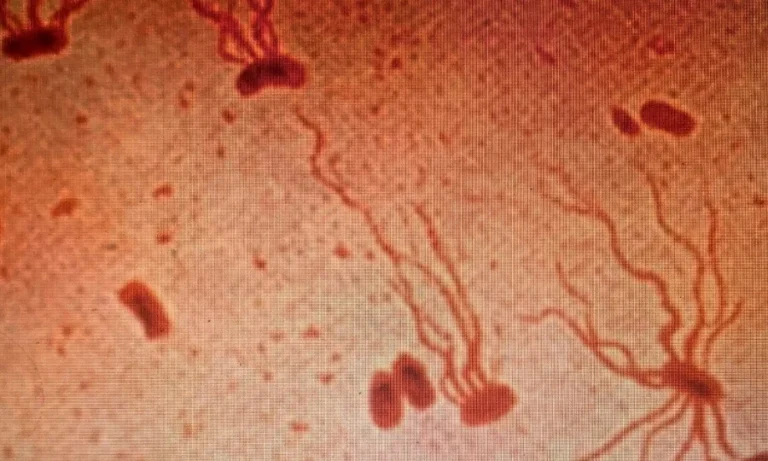
The dangerous disease typhoid, which has affected humans for centuries, is once again raising global concern as experts have warned that the bacteria responsible for the illness is rapidly developing resistance to medicines.
According to a study, the typhoid bacteria is now taking on new forms against which commonly used medicines are no longer effective.
Until now, typhoid could only be treated with specific antibiotics, but over the past three decades the bacteria has developed resistance to these drugs, and these resistant strains are spreading rapidly.
Experts reviewed thousands of samples collected between 2014 and 2019 from Nepal, Bangladesh, Pakistan, and India, and found a clear increase in strains that are resistant to multiple medicines.
These dangerous strains are showing resistance not only to older drugs but also to newer medications.
The study states that this dangerous bacteria has now spread beyond South Asia to other regions of the world, including Africa, Southeast Asia, the United Kingdom, the United States, and Canada.
Experts say that the rapid spread of this bacteria and its growing resistance to medicines could pose a serious threat to global health.
In Pakistan, the highly dangerous and drug resistant strain of the disease was first identified in 2016, and within a few years it became prominent in the country.
The current situation is that only one medicine remains in use for treating the disease, and signs of resistance against it are also emerging.
If typhoid is not treated in time, nearly one out of five patients can lose their lives. Globally, more than 13 million cases of the disease were reported in 2024, reflecting the severity of its spread.
Experts say that to prevent this alarming situation, it is essential to increase the use of vaccines and urgently focus on the development of new medicines. If timely measures are not taken, the world could face a major medical crisis in the future.