The world is on track to miss its 1.5-degree Celsius climate target, according to the latest assessment from the United Nations. Despite years of pledges and international summits, the gap between current government policies and the necessary emissions cuts has widened into a chasm.
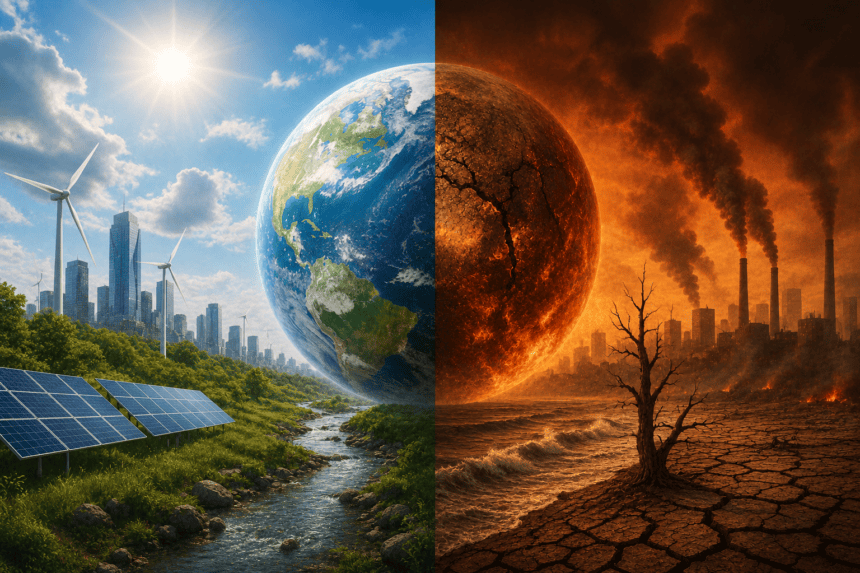
Current trajectories suggest a temperature rise of 2.6 to 3.1 degrees Celsius by the end of the century. That isn’t just a rounding error in a report; it represents a fundamental shift in the habitability of large swaths of the planet.
“We are flirting with global climate disaster,” the U.N. Secretary-General told reporters this week. “Every fraction of a degree matters, and right now, we are failing to do the math.”
The numbers are stark. Global greenhouse gas emissions hit a record high last year, rising by 1.3 percent. To stay within the 1.5-degree threshold set by the Paris Agreement, emissions need to plummet by 42 percent by 2030. Instead, the world is heading in the opposite direction.
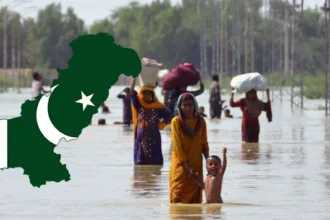
Some leaders argue that the transition to renewable energy is too costly to accelerate further. They point to domestic energy security and the economic burden on developing nations. Critics, however, argue that the cost of inaction—seen in the increasing frequency of catastrophic floods, wildfires, and heatwaves—far outweighs the price of decarbonization.
The report highlights a “lethargic” response from the G20 nations, which account for the vast majority of global emissions. While these countries have set ambitious net-zero goals, the policy mechanisms to achieve them are missing. The gap between what is promised in the boardroom and what is happening on the ground remains the biggest hurdle.
The window for meeting the 1.5-degree target isn’t technically closed, but it’s narrowing to a sliver. Without a massive, immediate pivot in energy policy and industrial strategy, the goal will move from a policy objective to a historical footnote.
For now, the policy shift remains a promise, while the climate reality is already here.