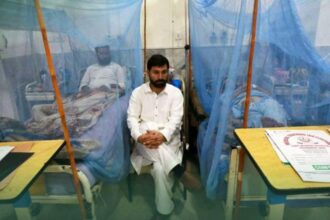


The unnecessary and improper use of antibiotics in Pakistan is causing the deaths of hundreds of thousands of patients each year. According to the World Health Organization, 200,000 to 300,000 people die annually in the country due to the unnecessary and incorrect use of medicines.
Medical experts say antimicrobial resistance, known as AMR, occurs when bacteria, viruses, fungi, or parasites become resistant or stronger against medicines over time, rendering common treatments ineffective.
The risk of antimicrobial resistance is high in Pakistan because obtaining medicines without a doctor’s prescription and incomplete or unnecessary use of drugs are common practices. In addition, there are poor infection control measures in hospitals, excessive use of antibiotics in livestock and poultry, and weak monitoring and reporting systems. According to medical experts, 40 to 70 percent of patients in intensive care units of major hospitals are suffering from such infections.
According to data from the Drug Regulatory Authority of Pakistan, approximately 126 billion rupees worth of antibiotics are used annually in the country. In this situation, experts are urging strict enforcement of laws to prevent the unnecessary and improper use of medicines and are emphasizing the need for greater public awareness.