

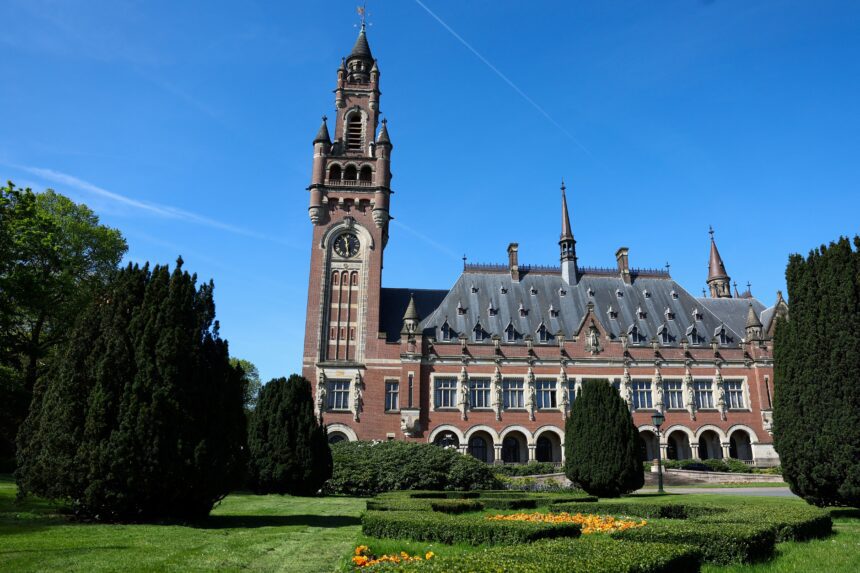
Hague: The United Nations top court, the International Court of Justice (ICJ), announced it will issue a highly anticipated advisory opinion on July 23, clarifying countries’ legal responsibilities in fighting climate change. The nonbinding ruling is expected to influence global climate litigation for years to come.
This legal opinion will examine whether major polluting countries those contributing the most to greenhouse gas emissions can be held legally accountable for climate-related damage suffered by small island nations and vulnerable states. These regions are on the frontlines of rising sea levels, extreme weather, and environmental loss.
The ICJ’s statement comes amid growing international climate lawsuits, as governments and citizens seek legal pathways for stronger climate action. Although the opinion will not be legally binding, its findings could shape national and international court decisions, especially in Europe, Latin America, and the Pacific.
This follows a similar advisory opinion issued recently by the Inter American Court of Human Rights, which stated that its 20 Latin American and Caribbean member countries must work together to fight climate change and avoid harming existing environmental protections.
Earlier hearings at the ICJ saw a clear divide: wealthy nations urged reliance on existing agreements like the Paris Accord, while developing and island states called for stronger legal commitments and financial support from major emitters.
Legal experts say the ICJ’s interpretation will carry major political and legal influence, potentially setting a historic precedent for climate justice worldwide.