ISLAMABAD (April 20, 2026): Uncertainty surrounds the expected arrival of a United States delegation in Islamabad for a possible new round of talks with Iran, as conflicting signals from Tehran and Washington cast doubt over whether negotiations will proceed.
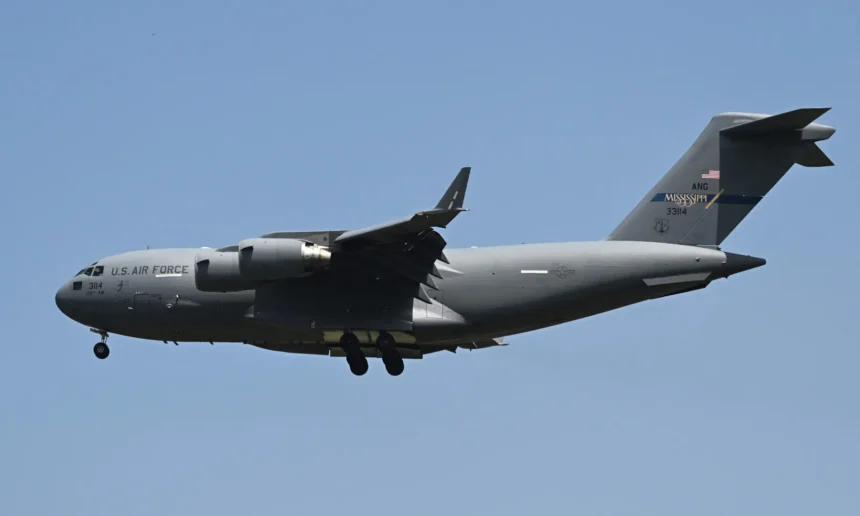
US President Donald Trump has said that an American delegation, possibly led by Vice President JD Vance, is expected to travel to Pakistan to engage in peace talks aimed at sustaining a fragile ceasefire between the two countries. However, reports remain contradictory, with some sources indicating the delegation has not yet departed for Islamabad.
Meanwhile, Iran has not confirmed its participation in the proposed talks. Iranian officials have stated that no final decision has been made regarding attendance, citing distrust of Washington and ongoing tensions, including a US naval blockade and the recent seizure of an Iranian cargo ship.
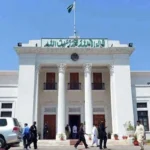
The mixed messaging has raised concerns over the viability of the second round of negotiations, which Pakistan is attempting to mediate. Islamabad has already heightened security in anticipation of foreign delegations, reflecting the importance of the talks for regional stability.
The uncertainty comes as the current US-Iran ceasefire approaches its deadline, increasing pressure on both sides to reach a diplomatic breakthrough. While Washington has expressed willingness to continue dialogue—even at the highest level—Iran has signaled that ongoing military actions and “contradictions” in US policy remain major obstacles to meaningful negotiations.
Despite the tensions, diplomatic efforts are ongoing, and international stakeholders continue to push for dialogue to prevent further escalation in the region.