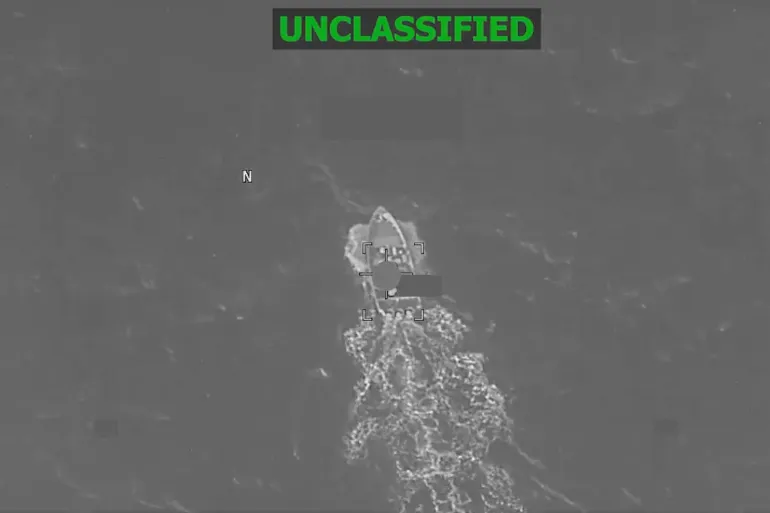
The U.S. military said it killed three people in a new strike on a boat in the eastern Pacific, the latest in a run of increasingly controversial attacks on vessels Washington says are tied to drug trafficking networks. U.S. Southern Command said the boat was moving along what it called a known narco-trafficking route and was being operated by a “Designated Terrorist Organization.” It did not identify the dead or say where, exactly, the strike took place.
The new strike comes after several others in just a few days. According to recent reporting and Southern Command statements, U.S. forces carried out two strikes on April 11 that killed five people and left one survivor, followed by another strike on April 13 that killed two people, and another on April 14 that killed four. Taken together, that means at least 14 people have been reported killed in this latest burst of operations alone.
What makes this different from a routine interdiction story is that these are not seizures at sea. They are direct military strikes. Southern Command has said Joint Task Force Southern Spear is carrying them out under orders from Gen. Francis L. Donovan, and its public statements describe the targets in sweeping terms as “narco-terrorists.” In the April 11 release, the command said intelligence had confirmed the vessels were moving along smuggling routes in the eastern Pacific and were engaged in drug-trafficking operations. But, again, the public evidence released so far has been thin: short statements, aerial footage, and few details about the people onboard.
That lack of detail has become a major part of the story. The Trump administration has defended the campaign by saying the United States is in an “armed conflict” with Latin American cartels and that the strikes are necessary to disrupt trafficking and save American lives from overdose deaths. Critics are not buying that argument. Human rights advocates and legal experts have said the administration has not publicly substantiated its claims about who was on the boats, and some have described the operations as possible unlawful extrajudicial killings.
The political and legal pressure is building fast. Reporting in recent days says a lawsuit filed in January challenges the legality of the program under U.S. and international law, while some lawmakers have demanded greater accountability from the Pentagon. That scrutiny has only intensified as the death toll from the broader campaign has continued to climb. AP reported after the April 14 strike that the total number of people killed since the campaign began in September had reached 175; the new strike reported today would push that figure higher still, assuming no revision by officials.
There is also a practical question hanging over all of this: whether the strikes are actually changing the drug trade in a meaningful way. Even some critics who support hard action against trafficking argue the military campaign may be aimed at the wrong chokepoint. Recent reporting has noted that much of the fentanyl reaching the United States enters over land through Mexico, often after precursor chemicals arrive from China and India, not by small boats in the eastern Pacific. That doesn’t make maritime smuggling irrelevant, but it does complicate the White House case that these attacks are the decisive front in the fight.
For now, the administration appears determined to keep going. Southern Command has continued to release terse strike announcements, and there is no public sign of a pause despite the legal challenges and mounting criticism. So the immediate story is blunt and grim: another boat, another explosion, three more people dead, and still no clear public accounting of who they were.