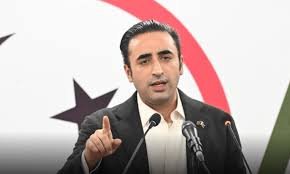
LARKANA, April 15 — Pakistan Peoples Party Chairman Bilawal Bhutto-Zardari is launching Phase II of Sindh’s Solar Home Systems project in Larkana on Wednesday, alongside Chief Minister Syed Murad Ali Shah, in what the provincial government is presenting as a major expansion of household solar access for low-income rural families. Reports ahead of the ceremony said the event was set for Jinnah Bagh and would mark the start of distribution under the second phase of the programme.
This phase is expected to cover 275,000 rural households across Sindh, with beneficiary selection linked to the Benazir Income Support Programme database, a detail officials and local reporting have framed as part of an effort to keep the distribution targeted and merit-based. In Larkana district, the rollout is reported to stretch over roughly 20 months, showing that the launch is more of an opening bell than a one-day handout event.
The project sits inside the broader Sindh Solar Energy Project, whose stated goal is to increase solar power generation and improve electricity access in the province. The official project platform says that access to electricity is one of its central objectives, placing the home-systems scheme within a wider push that also includes other solar components beyond household kits alone.
What gives Wednesday’s launch some political weight is the backdrop. Sindh has been pitching the solar home systems programme as relief for families hit by expensive electricity, patchy supply and long hours of load-shedding, especially in rural and underserved areas. Earlier coverage of the programme said Phase I began with 200,000 eligible families, while more recent reporting indicates that over 170,000 systems had already been installed under the wider effort by early 2026, with the remaining work focused largely on rural communities.
Officials have also signaled that the scheme is not being handled by the provincial government alone. Previous and current reporting ties implementation to institutions including the Sindh Rural Support Organisation and NRTC, suggesting the programme is being run through an administrative network rather than as a stand-alone political announcement. That matters, because the real test now is not the ceremony in Larkana but whether installation, delivery and after-sales support can hold up once the cameras move on.
For the PPP, the optics are obvious: Bilawal is fronting a welfare-and-energy initiative in the party’s political heartland at a time when power costs remain a raw public issue. For residents, though, the calculation is simpler. If the systems arrive on time and work as promised, this project could mean fans running in peak heat, lights staying on after dark, and fewer households relying entirely on an unreliable grid. That’s where the story really is.