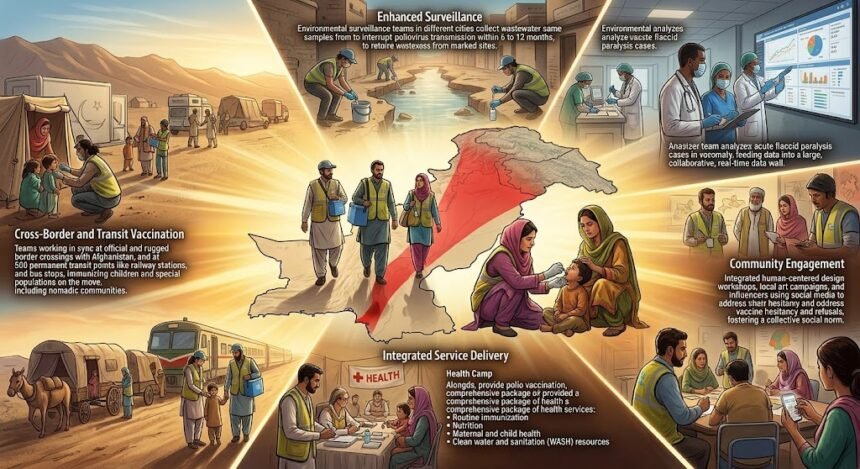
The World Health Organization (WHO) has expressed confidence that Pakistan can interrupt the transmission of the poliovirus within the next 6 to 12 months if the country continues to strengthen immunization campaigns and reaches every child with the polio vaccine. The encouraging assessment comes as Pakistan intensifies efforts to eliminate one of the world’s last remaining reservoirs of wild poliovirus.
According to WHO officials, the key to stopping transmission lies in maintaining high-quality vaccination campaigns, improving routine immunization coverage, and ensuring that children in high-risk and hard-to-reach areas receive multiple doses of the oral polio vaccine. The organization emphasized that consistent surveillance and rapid response to new cases remain critical to achieving eradication.
WHO praised Pakistan’s recent progress in reducing the spread of the virus through coordinated efforts by federal and provincial governments, frontline health workers, and international partners. However, it warned that challenges such as missed children, population movement, misinformation, and security concerns continue to pose risks to eradication efforts.
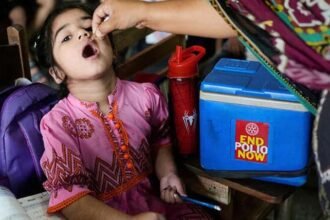
Health authorities have urged parents to cooperate with vaccination teams during every nationwide campaign, stressing that repeated doses are safe and essential for building immunity against the virus. They reiterated that every child under the age of five should receive the polio vaccine whenever it is offered.
Pakistan and Afghanistan remain the only two countries where wild poliovirus transmission has never been fully interrupted. WHO said that with sustained political commitment, strong community engagement, and uninterrupted vaccination drives, Pakistan has a realistic opportunity to end indigenous poliovirus transmission within the next year.