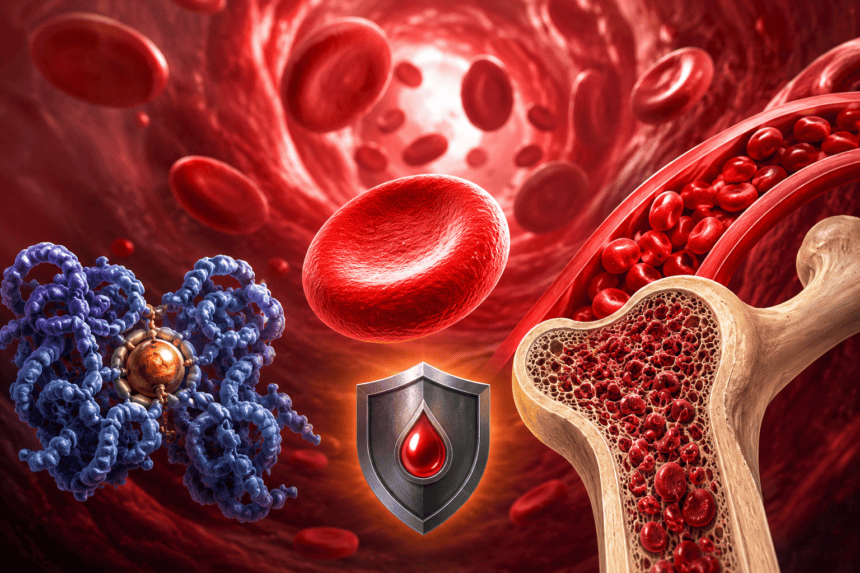
Iron is a mineral that your body needs in relatively small quantities, but its role is enormous. It is essential for making hemoglobin, the protein in red blood cells that carries oxygen from your lungs to the rest of your body. Without enough iron, your cells may not receive the oxygen they need to produce energy and function properly.
What Does Iron Do in the Body?
One of iron’s most important jobs is helping red blood cells transport oxygen. When you breathe in, oxygen enters your lungs and attaches to hemoglobin. Iron is a crucial part of hemoglobin’s structure, allowing it to bind and carry oxygen through the bloodstream.
Iron also contributes to energy production, muscle function and normal brain activity. Certain enzymes involved in cellular processes depend on iron, which means the mineral is involved in many activities happening inside your cells.
Why Do We Need Only a Small Amount?
The body is remarkably efficient at recycling iron. When old red blood cells are broken down, much of their iron is recovered and reused to make new red blood cells.
However, some iron is naturally lost every day through the digestive tract, skin and other processes. Menstruating women can lose additional iron through menstrual bleeding, which is one reason their iron requirements are generally higher.
Because the body cannot make iron itself, it must obtain it through food.
What Happens When You Don’t Get Enough Iron?
If iron intake remains too low, the body can eventually run out of its stored iron. This can lead to iron-deficiency anemia.
Possible symptoms include:
- Tiredness and weakness
- Shortness of breath during activity
- Dizziness or headaches
- Pale skin
- Difficulty concentrating
- Feeling unusually cold
- Reduced exercise tolerance
These symptoms can have many causes, so they do not automatically mean someone has an iron deficiency.
Which Foods Contain Iron?
Iron is found in both animal and plant foods. Meat, poultry and seafood contain forms of iron that are generally absorbed more easily. Plant sources include beans, lentils, spinach, fortified cereals, nuts and seeds.
Vitamin C can improve absorption of plant-based iron, so combining foods such as lentils or beans with tomatoes, citrus fruits or other vitamin-C-rich foods can be helpful.
Can You Take Too Much Iron?
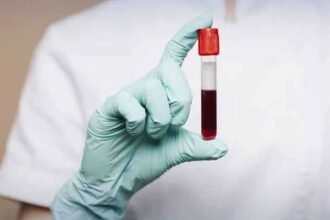
Yes. More is not always better. Excess iron can be harmful, and iron supplements should not be taken unnecessarily. People who suspect an iron deficiency should speak with a healthcare professional and, when appropriate, have their iron status checked.
The bottom line: Your body may need only a small amount of iron, but that small amount plays a major role in oxygen transport, energy production and normal body function.