Art therapy is more than simply drawing, painting or making crafts for relaxation. It is a form of psychotherapy in which a trained therapist uses creative activities to help people express emotions, understand difficult experiences and develop healthier coping strategies. You do not need to be a talented artist to benefit from it.
What Is Art Therapy?
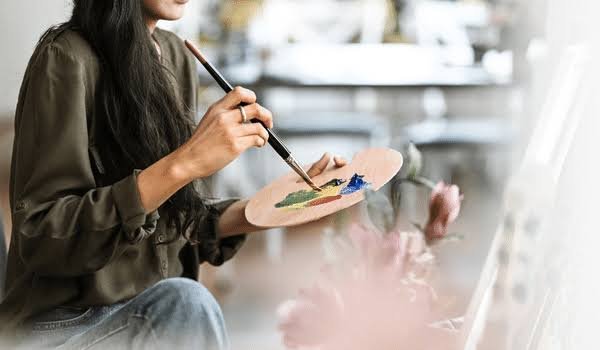
Art therapy combines creative expression with psychological support. During sessions, people may draw, paint, work with clay, create collages or use other forms of art while discussing their thoughts and feelings with a qualified therapist. The focus is generally on the creative process rather than producing a perfect piece of artwork.
Unlike simply drawing or coloring on your own for relaxation, formal art therapy is guided by a credentialed professional who is trained in both therapy and art-based techniques.
How Can Art Therapy Help?
Creative activities can provide another way to communicate feelings that may be difficult to explain with words. Art therapy may help people:
- Develop greater self-awareness
- Express difficult emotions
- Build emotional resilience
- Improve self-esteem
- Develop coping skills
- Strengthen interpersonal and communication skills
- Manage symptoms of anxiety and depression
- Work through grief and traumatic experiences
Who May Benefit From Art Therapy?
Art therapy has been used with people experiencing a variety of mental health, neurological and life challenges. It may be particularly useful for people dealing with anxiety, depression, trauma, PTSD, dementia, cancer, autism, ADHD and other conditions. It has also been used in hospitals, schools, rehabilitation facilities, nursing homes and community settings.
Children and people who have difficulty expressing themselves verbally may also find creative approaches useful because art can provide another form of communication.
What Happens During a Session?
An art therapy session may begin with a discussion between you and the therapist before moving into a creative activity. You might be asked to draw something, create a collage, work with clay or use another artistic method.
The therapist may then ask about your experience, what you were thinking or feeling while creating the artwork, and whether any memories or emotions came to mind. The goal is to help you explore those experiences and develop healthier ways of responding to them.
Does Art Therapy Really Work?
Research suggests that art therapy has the potential to benefit people experiencing emotional and psychological difficulties. Studies have reported improvements in areas such as anxiety, depression, trauma symptoms, self-esteem and quality of life in certain groups.
However, art therapy is not as extensively studied as some other treatments, such as cognitive behavioral therapy (CBT). Evidence is still developing, and it may work best as part of a broader treatment plan for some people.
You Don’t Have to Be Good at Art
One of the biggest misconceptions about art therapy is that you need artistic talent. You don’t. The purpose isn’t to create beautiful artwork or impress anyone.
Instead, the focus is on self-expression, exploration and the emotions that emerge during the creative process.
Art Therapy vs. Art for Relaxation
Drawing, painting or coloring at home can certainly be relaxing and may help some people manage everyday stress. But this is different from formal art therapy.
Art therapy takes place under the guidance of a trained and credentialed therapist, who uses creative activities as part of a therapeutic process.
The Bottom Line
Art therapy may be worth considering if traditional talk-based approaches feel difficult or if you find it easier to express emotions creatively. It can provide a different way to explore stress, grief, trauma, anxiety and other emotional challenges. However, anyone considering it for a mental health condition should work with a properly trained and credentialed therapist