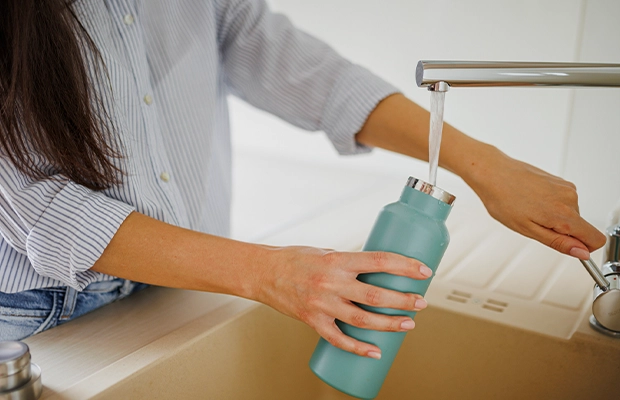
Reusable water bottles are a convenient way to stay hydrated and reduce plastic waste, but simply filling a new bottle with water and drinking from it is not the best approach. Yes, you should wash a reusable water bottle before its first use because bottles can pick up dirt and microorganisms during manufacturing, transportation and storage.
Even when a bottle looks completely clean, microscopic bacteria and other contaminants may be present on its surface. Washing and thoroughly drying the bottle before drinking from it can help reduce unnecessary exposure to germs.
What Happens If You Don’t Clean Your Bottle?
A reusable bottle that is repeatedly used without proper cleaning can become a breeding ground for bacteria, fungi and parasites. These microorganisms can contaminate the water and, in some cases, contribute to gastrointestinal problems such as nausea, vomiting, diarrhea and abdominal cramps.
The risk is particularly relevant around areas that come into frequent contact with the mouth, including the mouthpiece, lid threads and small crevices where moisture and microorganisms can accumulate.
How Often Should You Wash a Reusable Bottle?
There is no single official cleaning schedule, but experts cited by Health recommend cleaning a reusable water bottle at least once every day. Washing it after each use is even better, especially if the bottle has been used throughout the day or kept in a warm environment.
Drinking from the same bottle continuously throughout the day can increase bacterial exposure, particularly when the bottle remains at room temperature. Sharing a bottle with other people should also be avoided.
The Right Way to Clean Your Water Bottle
Cleaning a reusable bottle does not have to be complicated. Follow these steps:
1. Use Hot, Soapy Water
Wash the bottle with hot water and dish soap. Pay particular attention to the mouthpiece, cap, threads and hard-to-reach areas. Rinse thoroughly so no soap remains.
2. Let It Air-Dry Completely
After washing, leave the bottle open and allow it to dry completely. Keeping the cap off during drying helps prevent moisture from remaining trapped inside.
3. Check Whether It Is Dishwasher-Safe
Some hard plastic bottles can be washed on the top rack of a dishwasher, but insulated bottles and certain other materials may need to be washed by hand. Always follow the manufacturer’s instructions.
Give Your Bottle a Deeper Clean
In addition to daily cleaning, experts recommend giving reusable bottles a more thorough cleaning once a week. Depending on the bottle and manufacturer’s instructions, options include using a dishwasher-safe hot-water cycle or cleaning with white vinegar or baking soda.
If using a bleach solution, it should be properly diluted and the bottle must be rinsed thoroughly afterward.
When Should You Replace Your Bottle?
A reusable bottle does not necessarily need to be replaced simply because it is old. However, visible mold, cracks or persistent unpleasant odors can be signs that the bottle should be replaced. Damaged surfaces may also make thorough cleaning more difficult.
Simple Habits for Safer Hydration
To keep your bottle cleaner:
- Wash it daily.
- Don’t share it with others.
- Keep the mouthpiece from touching dirty surfaces.
- Avoid leaving water sitting in it for unnecessarily long periods.
- Dry it completely between uses.
- Clean the lid and small crevices carefully.
- Replace bottles that develop mold, cracks or persistent odors.
The Bottom Line
A reusable water bottle may look clean, but that does not mean it is free of germs. Wash a new bottle before its first use and clean it regularly—ideally every day. Proper washing, thorough drying and timely replacement can help keep your everyday drinking water cleaner and reduce the risk of exposure to harmful microorganisms