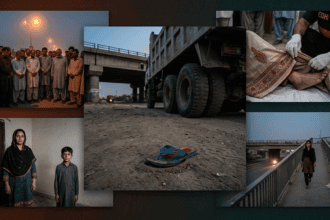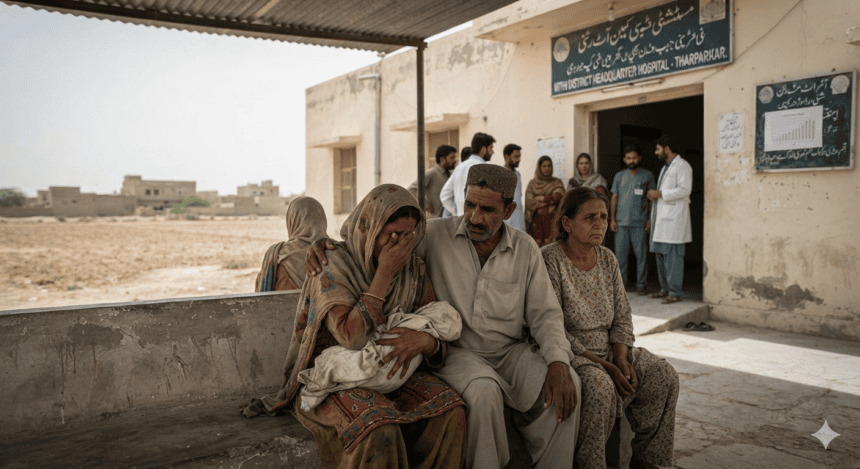
MITHI — A staggering 480 newborns have died at the Civil Hospital Mithi over the past eight months, according to official health department data. The figures, covering January through August, paint a grim picture of maternal and neonatal healthcare in the Tharparkar district.
The numbers suggest a relentless pattern of infant mortality that shows little sign of slowing. On average, two infants are losing their lives every single day within the facility’s neonatal wards.
Local health officials point to a combination of systemic failures: malnutrition among expectant mothers, the absence of prenatal care in remote desert villages, and the long, arduous journeys families must make to reach the district headquarters.
“Many of these women arrive at the hospital in a critical state,” one senior doctor told reporters on condition of anonymity. “By the time they reach our doors, the window to save the child has often already closed.”
While the provincial government frequently announces emergency nutrition programs and mobile health units for the region, the death toll remains a persistent indictment of these interventions. Critics argue that the funds allocated for Tharparkar are often lost in bureaucratic bottlenecks, leaving hospitals under-equipped and under-staffed.
The crisis is not just a matter of clinical outcomes. It is a social one. Cultural barriers often prevent women from seeking early medical intervention, while the economic reality of the region means that families frequently prioritize daily labor over travel to distant health centers.
The health department has yet to release a detailed audit explaining the specific causes of death for each case, leaving families to navigate their grief without answers. For the residents of Tharparkar, the hospital is no longer a place of hope, but a grim reminder of a healthcare system that continues to fail its most vulnerable citizens.
With four months left in the year, the death toll is on track to mirror, or potentially exceed, the grim statistics of previous years. Until the root causes of maternal health and local access are addressed, the cycle of loss will continue.