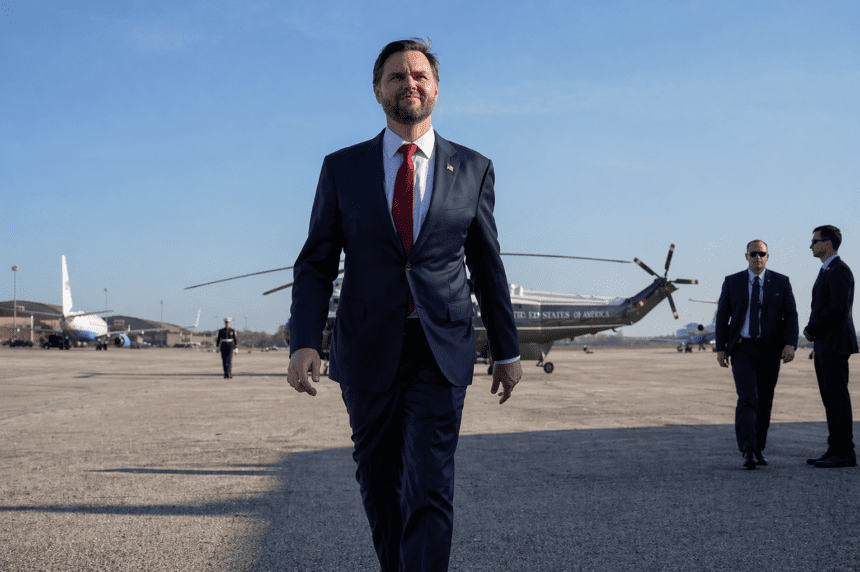
U.S. Vice President JD Vance’s expected return to Islamabad has been put on hold, according to reports that emerged on Tuesday, April 21, as uncertainty deepened over whether Iran would even show up for another round of ceasefire talks. The New York Times was cited by several outlets as saying the trip was paused after Tehran failed to respond clearly to Washington’s latest position, while AP separately reported that the visit had been postponed and that internal U.S. deliberations were still underway.
What makes this more than a travel story, honestly, is the timing. The proposed visit was tied to an effort to salvage diplomacy before a two-week ceasefire between the United States and Iran expires on Wednesday, April 22. AP reported that Pakistan had been preparing for a second round of talks in Islamabad, but the plan began wobbling when Iran stopped short of formally confirming its participation. Pakistan’s information minister, Attaullah Tarar, publicly said Tehran had not yet given that confirmation.
Iran, for its part, has been sending a pretty blunt message: it isn’t eager to negotiate under pressure. According to AP’s reporting, Iranian Foreign Ministry spokesman Esmail Baghaei said there had been “no final decision” on attending, pointing to what Tehran described as unacceptable U.S. actions, including recent moves in and around the Strait of Hormuz. That helps explain why Vance’s trip is being treated less as a postponed diplomatic stop and more as a sign that the wider process may be stalling.
This would have been Vance’s second Pakistan mission in less than two weeks. He was already in Islamabad on April 11-12 for marathon negotiations that stretched roughly 21 hours and ended without a breakthrough. After those talks, Vance said Iran had rejected U.S. terms, and multiple outlets reported that both delegations left Pakistan without a deal. So the current pause lands on top of an earlier failure, which is why regional officials have sounded increasingly cautious rather than optimistic.
Pakistan still appears determined to keep the channel open. Reporting from AP and other outlets suggests Islamabad has continued trying to host a second round, even as Washington and Tehran traded harsher public warnings. That leaves Pakistan in the awkward but important role of mediator: willing, active, and visible — but not actually in control of whether the two main players are prepared to sit in the same room again.
For now, the clearest takeaway is this: Vance’s trip has not simply been delayed by logistics. It has been overtaken by doubt at the heart of the negotiations themselves. Unless Iran formally commits and the United States decides the window for diplomacy is still worth using, Islamabad may end up hosting another round in theory, not in practice. And with the ceasefire deadline arriving on April 22, that gap suddenly matters a lot.