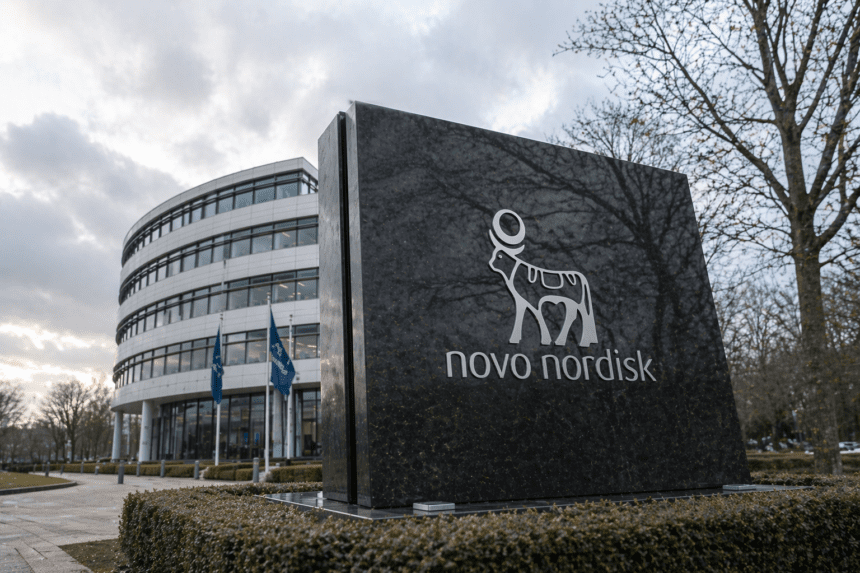
Novo Nordisk says its oral semaglutide pill significantly lowered blood sugar in children and adolescents with type 2 diabetes in a key late-stage study, a result that could widen treatment options for a group doctors have long described as underserved. The company said on April 23, 2026 that the Phase 3a PIONEER TEENS trial met its main goal in patients aged 10 to 17, and that it plans to seek a pediatric label expansion in the United States and European Union in the second half of 2026.
The topline data, while still awaiting full peer-reviewed publication, look meaningful. Novo said the pill produced a placebo-adjusted HbA1c reduction of 0.83 percentage points at 26 weeks in a 52-week trial involving 132 patients. The safety profile, according to the company’s summary and follow-up coverage, was in line with earlier semaglutide studies, which is another way of saying there weren’t any obvious surprises in a drug class that’s already closely watched for gastrointestinal side effects.
That matters more than the headline might suggest. Type 2 diabetes in young people is no longer considered rare or slow-moving. U.S. health agencies and recent specialist reviews have described youth-onset type 2 diabetes as a growing and unusually aggressive disease, one that can lead to serious complications earlier in life than many clinicians used to expect. The treatment menu, despite some progress, is still relatively narrow compared with adult care.
Novo is clearly leaning into that gap. In company-backed reporting on the results, executives framed the study as a response to a “significant unmet need” in pediatric diabetes care. And there is a commercial angle too, obviously. Semaglutide is already a blockbuster molecule for Novo Nordisk in adult diabetes and obesity, sold in different forms and doses across brands including Rybelsus and Ozempic. Extending its reach into younger patients would strengthen the franchise at a time when competition in the broader GLP-1 market is getting fiercer.
Still, a note of caution is fair here. What Novo released Thursday was topline data, not the full study dataset. That means doctors, regulators and investors still need to see more detail on side effects, adherence, subgroup responses and how durable the benefit looked across the full follow-up period. Oral semaglutide also comes with a dosing routine that can be less convenient than some patients expect, including taking the tablet on an empty stomach and waiting before eating or drinking, a detail reflected in the trial design itself.
Even so, the result is hard to ignore. If regulators sign off, oral semaglutide could become a notable new option for adolescents with type 2 diabetes, and potentially the first oral GLP-1 therapy specifically positioned for that age group. For families and clinicians dealing with a disease that often moves fast and hits early, that would be more than a routine label expansion. It would feel like overdue progress.