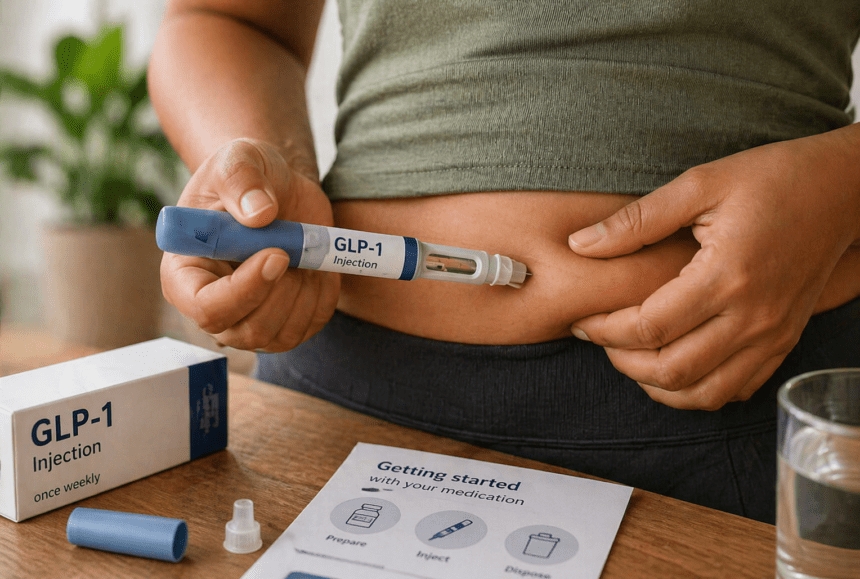
The rapid rise in popularity of GLP-1 weight-loss drugs such as Ozempic and Wegovy is prompting cannabis dispensaries across the United States to reassess their product strategies, as shifting consumer habits begin to influence sales trends.
Industry operators say the appetite-suppressing effects of these medications are contributing to a decline in demand for traditional cannabis products often associated with increased hunger, commonly referred to as the “munchies.” The trend is gradually reshaping purchasing behavior among some consumers.
In response, many dispensaries are pivoting toward wellness-focused offerings, including low-dose edibles, infused beverages, and products marketed for relaxation, sleep, and mental clarity. Retailers are also refining their branding to emphasize health-conscious consumption rather than indulgence.
Some businesses have expanded their range of non-psychoactive cannabidiol (CBD) products, promoting cannabis as part of a broader lifestyle centered on balance and well-being. Industry experts say this shift reflects a growing effort to align with evolving consumer priorities.
Market analysts note that while overall cannabis demand remains resilient, the increasing adoption of GLP-1 medications is influencing how products are developed, marketed, and sold.
The trend underscores a broader intersection between the pharmaceutical and cannabis industries, as companies adapt to changing health behaviors in a competitive and rapidly evolving marketplace.