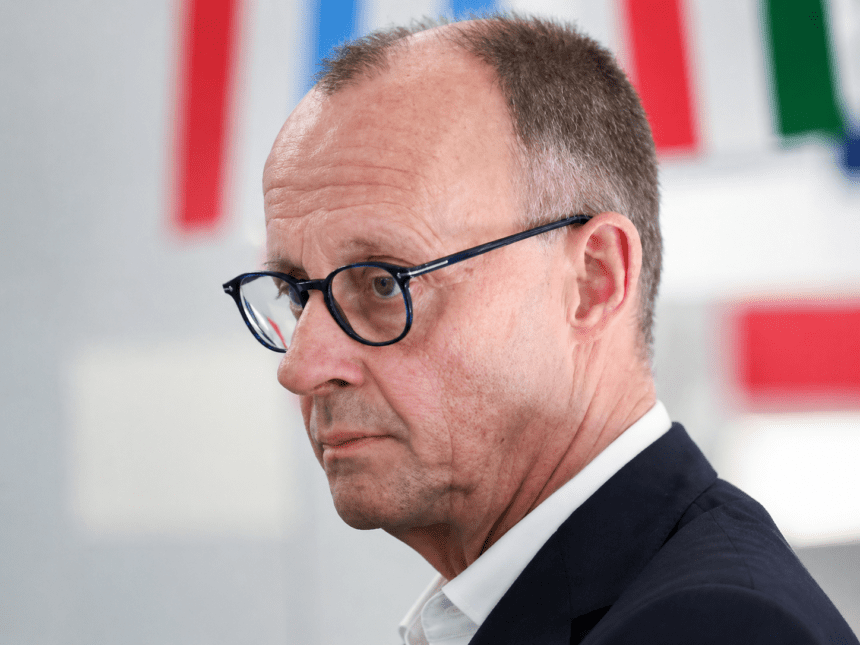
Berlin, April 27, 2026 — German Chancellor Friedrich Merz has sharply criticized Iran over stalled diplomacy with Washington, saying Tehran is “humiliating” the United States by drawing US officials into talks that end without progress. Reuters-based reporting published Monday said Merz accused Iran’s leadership of making US officials travel to Pakistan and then sending them away empty-handed, in what was described as an unusually blunt public rebuke.
The comment lands at a tense moment in the wider Iran crisis, with diplomacy looking shaky and international concern rising over where the standoff goes next. Merz’s remarks suggest frustration is no longer limited to Washington. European leaders, too, appear increasingly impatient with a negotiation track that has produced meetings, movement, and then not much else. That assessment is an inference from the tone and substance of the reported remarks.
Recent reporting also shows Merz has been pressing Iran to re-enter serious negotiations with the US. In remarks carried over the past few days, he urged Tehran to return to talks and said Europe could gradually ease sanctions if Iran engaged constructively. He has also warned of the danger of further military escalation if diplomacy collapses completely.
What makes this notable is the language. Merz is not just calling for talks; he is framing Iran’s behavior as a deliberate slight to the US, which adds a political edge to an already volatile diplomatic situation. That kind of wording can harden positions rather than soften them, especially when negotiations are already struggling. This is an interpretation based on the reported quote and the surrounding context.
For now, the broader message from Berlin seems fairly clear: Europe still sees space for diplomacy, but patience is thinning. If talks remain stuck, pressure on Iran is likely to intensify rather than ease, even as some European officials keep the door open to sanctions relief in exchange for genuine movement at the table. That forward-looking point is an inference from Merz’s reported remarks on sanctions and negotiations.