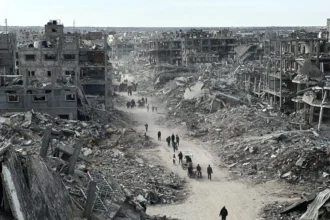
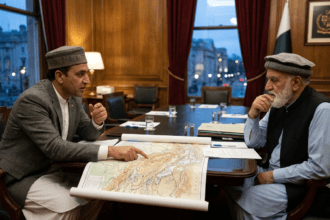
KABUL — Afghan officials have accused Pakistani security forces of launching a direct artillery strike on a university campus near the border, escalating tensions between the two neighbors. The incident, which allegedly occurred late Tuesday, targeted a facility in Khost province, according to local administration spokespeople. Islamabad has not issued a formal response to the specific allegation, though the Foreign Office has consistently maintained that its operations are restricted to anti-militant actions within its own sovereign territory. The accusations center on the Khost University area, where residents reported heavy shelling that forced the temporary evacuation of student dormitories. Afghan provincial authorities claim the strike caused structural damage to an administrative wing. No casualties were immediately confirmed, though local hospital staff reported treating several students for shock and minor injuries sustained during the panic. For Kabul, the incident represents a dangerous shift in border dynamics. The Taliban-led government has struggled to contain cross-border skirmishes that have become increasingly frequent since the 2021 withdrawal of international forces. “Targeting an educational institution is a violation of every norm,” said a provincial official who requested anonymity because he wasn’t authorized to speak to international media. “We are documenting the impact sites to provide evidence to the international community.” Pakistan views these border regions through a different lens. Military leadership in Rawalpindi has repeatedly stated that their primary objective is the containment of the Tehreek-e-Taliban Pakistan (TTP), a militant group they claim operates with impunity from Afghan soil. Recent months have seen a surge in security operations along the Durand Line, with Pakistan signaling it will no longer tolerate “safe havens” across the border. The lack of a formal, demarcated border in many parts of the Khost-Waziristan stretch makes verification difficult. Both sides frequently blame the other for firing first, and the remote, mountainous terrain prevents independent observers from reaching the site to confirm the origin of the munitions. This latest friction comes at a delicate time. Pakistan is currently navigating a severe internal economic crisis and a fragile political climate, while the Afghan authorities are facing mounting pressure to curb the movement of militant groups that threaten regional stability. Whatever the truth of the artillery strike, the fallout is already visible on the ground. Military posts on both sides of the frontier have reportedly moved to high alert, and local trade routes—the lifeblood for many in the border provinces—have slowed to a crawl as residents brace for potential retaliation
Kabul rejects Pakistan’s border security claims, alleges university strike


Leave a Comment