
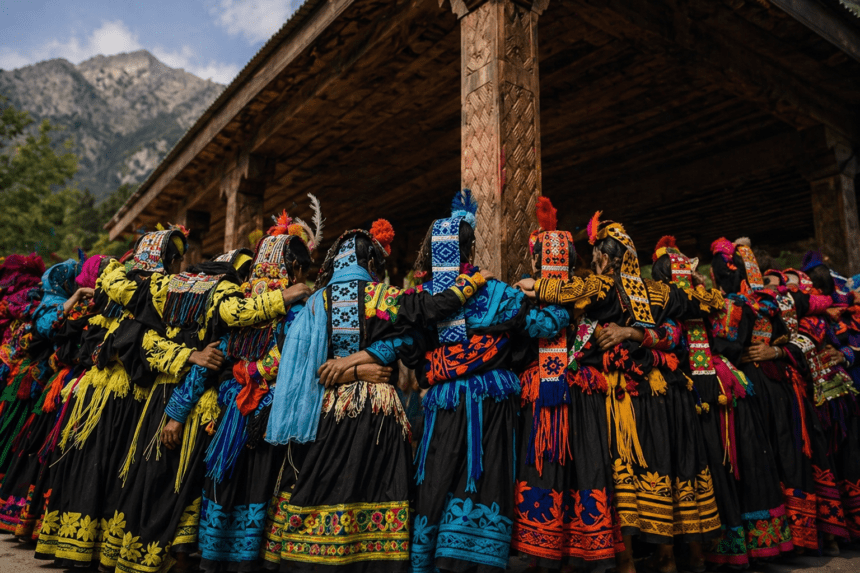
Pakistan has secured an important cultural recognition after the Kalasha Valley Cultural Landscape was added to UNESCO’s World Heritage Tentative List, marking the first formal step toward a possible future World Heritage nomination. UNESCO’s official entry identifies the site as covering the Bumburet, Rumbur and Birir valleys in Khyber Pakhtunkhwa and describes it as a living mountain cultural landscape shaped by the traditions, land use and belief systems of the Kalasha community.
The development matters because a Tentative List entry is not the same thing as full World Heritage status. UNESCO says the Tentative List is the inventory of places a country intends to consider for nomination later, meaning inclusion is a significant recognition step but not a final inscription on the World Heritage List.
UNESCO’s description of the Kalasha landscape stresses that the valleys are not simply scenic territory. The site is presented as a continuously inhabited cultural landscape where settlements, sacred places, farmland, forests and alpine pastures remain connected through customary law, inherited ecological knowledge and ritual life. That framing is important, because it places the Kalash valleys in the category of living heritage rather than only archaeological or architectural importance.
For Pakistan, the listing strengthens the international profile of one of its most distinctive indigenous cultural regions. UNESCO’s Pakistan page shows the country currently has six inscribed World Heritage properties and a larger group of sites on its Tentative List, where the Kalasha Valley Cultural Landscape has now been added among future candidates.
The broader significance is hard to miss. Placement on the Tentative List can help build momentum for conservation planning, documentation and future nomination work, while also drawing wider attention to the Kalasha people’s festivals, social traditions and relationship with the landscape they continue to manage and inhabit. Whether the site eventually achieves full World Heritage status will depend on a longer nomination and evaluation process, but for now this is still a notable milestone for cultural heritage in Pakistan.