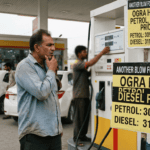
Pakistan’s latest petroleum price revision delivered a split outcome for consumers: kerosene became slightly cheaper, while light diesel turned sharply more expensive. The updated rates listed by Pakistan State Oil show SKO at Rs360.76 per litre and LDO at Rs287.54 per litre, effective April 30, 2026. The same price board lists petrol at Rs399.86 and high-speed diesel at Rs399.58 per litre.
Using the previous rates carried on local fuel trackers for April 25, 2026, that works out to a Rs4.45 per litre drop in kerosene from Rs365.21 and a Rs17.03 per litre increase in LDO from Rs270.51. Over the same period, petrol rose by Rs6.51 and high-speed diesel by Rs19.39. Those comparisons broadly match the headline figures and show that the burden of this revision landed much harder on diesel-linked products than on kerosene.
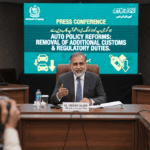
The move comes after a bruising month in Pakistan’s fuel market. Business Recorder’s recent pricing chronology shows a record shock in early April, a partial rollback later in the month, and then another upward revision on April 25 as the government passed on pressure from higher international oil prices. In that April 25 report, Petroleum Minister Ali Pervaiz Malik said regional tensions had pushed oil up again and that the government was being forced to transfer at least part of the increase to consumers.
That wider backdrop matters. Global oil prices were still highly volatile at the end of April, with Reuters reporting that crude briefly moved above $126 a barrel on concerns that conflict-related supply disruptions in the Middle East could deepen before later easing. The World Bank, in its April 28, 2026 Commodity Markets Outlook, also warned that the war in the Middle East was set to drive the biggest energy-price surge in four years.
For households and small users, the kerosene cut offers only limited relief. It’s a real drop, yes, but kerosene remains expensive in absolute terms. Meanwhile, the jump in light diesel is more likely to sting because LDO is used in machinery, some transport applications and backup energy use in places where cleaner or cheaper options are thin on the ground. When those costs move, they usually don’t stay confined to fuel pumps. They seep outward.
The bigger political and economic question now is whether this was a one-off adjustment or just another step in a still-unsettled pricing cycle. Recent reporting and official price boards suggest the latter. Pakistan’s retail rates are still being pushed around by international benchmarks, freight and product-specific margin pressure, particularly in diesel markets. So even with kerosene edging lower this time, nobody looking at the last few weeks would call the situation calm.