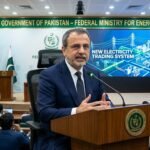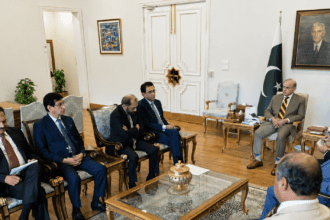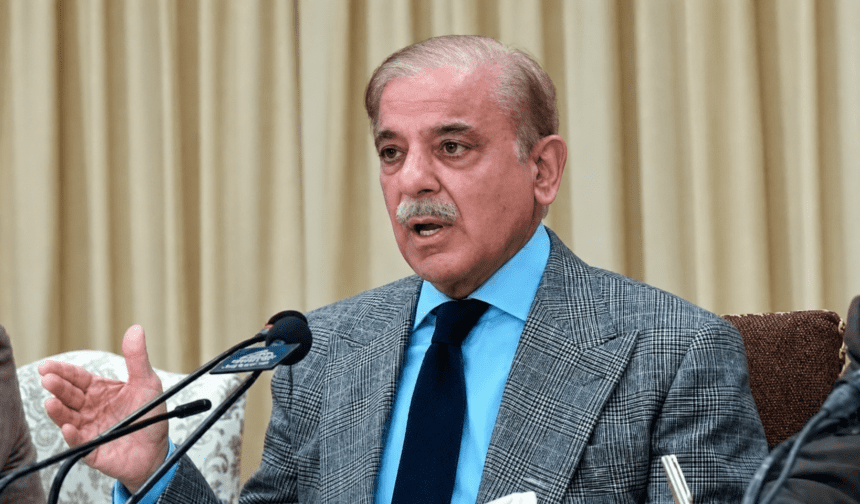
Prime Minister Shehbaz Sharif has shifted Pakistan’s power-sector conversation from a one-off tariff cut to a much bigger promise: keep electricity prices stable, make the grid work better, and go harder after theft and losses that have long drained the system. The push came during a high-level review of the Integrated Generation Capacity Expansion Plan, or IGCEP 2024–2034, where the prime minister said the government now wanted long-term affordability and reliability after the recent reduction of roughly Rs7.5 per unit in electricity tariffs.
The message was blunt. Lower bills matter, but they won’t hold unless the transmission network is upgraded and leakages in the system are brought under control. Sharif directed authorities to move ahead with reforms in power generation and transmission planning, while also intensifying the crackdown on electricity theft, a problem successive governments have blamed for adding to losses, circular debt and consumer frustration.
The backdrop to this is the government’s April 2025 tariff relief package. Officials said residential consumers were given a Rs7.41 per unit cut, while commercial and industrial users also saw reductions, with the move framed as part of a broader reform drive rather than a temporary subsidy-only fix. Sharif has since presented that relief as the opening step, not the finish line.
At the center of the latest meeting was the revised 10-year IGCEP, which the government says is designed to reshape how future power projects are selected. According to reporting on the approved plan, the roadmap aims to save around Rs4.743 trillion, or about $17 billion, by dropping or delaying expensive projects, applying a minimum-cost principle, and tightening the logic behind capacity additions over the next decade.
That matters because Pakistan’s electricity problem isn’t just about how much power it generates. It’s about what kind of power gets added, how it is purchased, whether the grid can carry it efficiently, and who ultimately pays when the math goes wrong. The revised plan, as described in multiple reports, trims nearly 8,000 megawatts of higher-cost projects and puts more emphasis on efficiency, lower-cost procurement and market reforms.
Sharif’s review also fed into a broader government line that structural distortions in the sector are finally being challenged. Officials, including Power Minister Awais Leghari, have argued that changes to power purchase arrangements and the dismantling of older pricing approaches could produce further savings ahead. Some reports also say the government is moving toward a more competitive or “free market” model for power generation, with the stated goal of improving efficiency and pushing tariffs down over time.
Still, the test will be execution. Pakistan has announced power reforms before, only to run into familiar bottlenecks: weak transmission capacity, slow recoveries, theft, political resistance and the burden of circular debt. That’s why Sharif’s insistence on grid upgrades and tougher enforcement stood out in this latest meeting. The government is effectively saying cheaper electricity cannot survive on paper alone; it needs a sturdier network and better discipline across distribution.
For households and businesses, the promise is simple enough: fewer shocks in monthly bills and, eventually, a system that is less wasteful and less prone to passing inefficiencies onto paying consumers. Whether that happens will depend on how quickly the government can turn directives into infrastructure upgrades, policy follow-through and a theft crackdown that bites harder than past campaigns did. For now, though, Sharif has made the political bet clear: tariff stability is no longer being sold as relief alone, but as the outcome of a full power-sector reset.