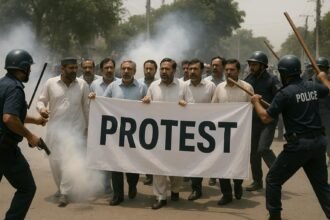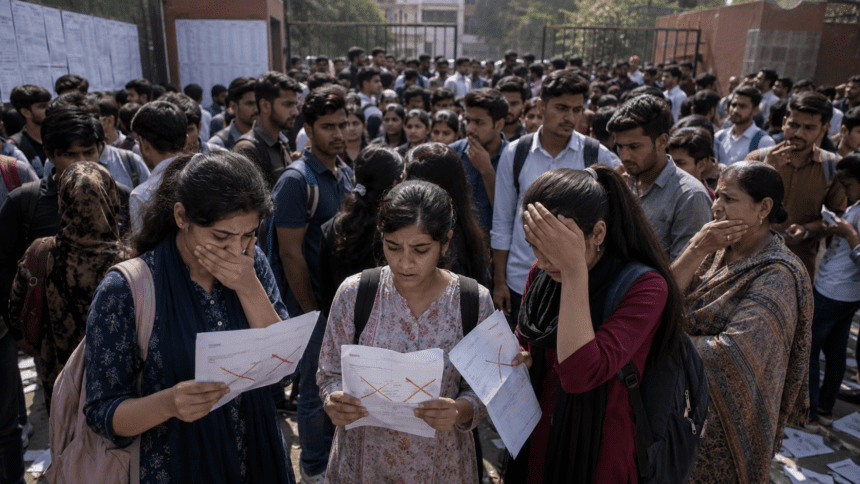
The 2025 intermediate results are out, and the numbers are grim. More than 400,000 students across the country failed to clear their exams, leaving families reeling and sparking immediate protests outside board offices in Lahore, Karachi, and Multan.
In several regions, the pass percentage plummeted to a record low. Data from the Punjab and Sindh boards suggests that nearly 40% of the candidates who sat for the Part-I and Part-II examinations failed at least two subjects.
Physics and Mathematics were the primary culprits, with some districts reporting a failure rate of over 50% in these specific papers.
The scale of the failure has triggered a standoff between students and education authorities. By Tuesday afternoon, hundreds had gathered outside the Lahore Board office, alleging “unfair marking” and technical glitches in the online result portals. They aren’t just asking for re-counts; they’re demanding a total overhaul of the 2025 marking criteria.
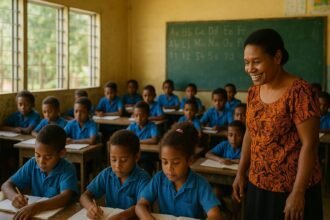
“I’ve never seen anything like this in fifteen years of teaching,” said a senior mathematics instructor at a government college in Rawalpindi.
“The shift toward ‘application-based’ questions was handled poorly. Students were prepared for the old pattern, but the papers they got were a different beast entirely.” Education officials are digging in. A spokesperson for the Boards Committee of Chairmen (PBCC) dismissed claims of marking errors, insisting the low pass rate reflects a necessary move toward merit.
“We cannot keep passing students based on rote learning,” the official said. He didn’t address why the transition to a tougher grading system happened without a corresponding update to classroom teaching.
The “so what” here is a looming bottleneck for the country’s higher education system. With 400,000 students sidelined, university admissions for the 2025-2026 cycle are expected to see a sharp decline in applicants. This isn’t just a blow to the students’ morale; it’s a financial hit for private universities that rely on high enrollment numbers to keep their doors open. For the students who failed, the road back is narrow.
Supplementary exams are months away, and for many, the dream of entering medical or engineering colleges this year is effectively dead. The government has yet to announce a formal inquiry into the results. Until they do, 400,000 students remain in a state of professional and academic limbo.