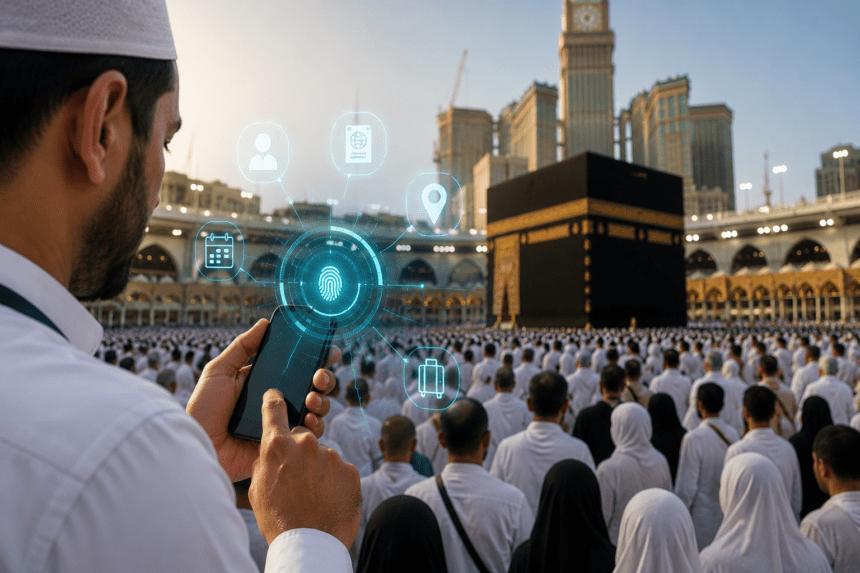
Saudi Arabia’s Ministry of Hajj and Umrah has initiated a sweeping digital transformation for the 2026 pilgrimage season, specifically targeting the complexities that have long hindered the Pakistani contingent.
The move aims to replace manual paperwork and traditional bureaucratic hurdles with a streamlined, app-based infrastructure designed to provide real-time updates and seamless permit processing. This shift comes as the Kingdom pushes to accommodate an increasing influx of international visitors while maintaining crowd control and safety standards.
For Pakistani pilgrims, who often face delays in visa processing and logistical uncertainty, the new system promises a direct line to authorities through the “Nusuk” platform’s upgraded interface. The ministry confirmed that the integration of biometric data and automated flight synchronization will be mandatory for all agencies handling Pakistani groups. This eliminates the need for physical document verification at multiple transit points, shaving hours off the arrival process at Jeddah and Madinah airports.
“We are removing the middleman from the information flow,” said a project lead within the ministry. “A pilgrim from Lahore or Karachi should know their exact accommodation status and transport schedule before they even board their flight.” Despite the technological promise, the transition poses significant challenges for smaller, less tech-savvy travel operators across Pakistan. Many local agents rely on traditional, paper-based booking methods, and the mandatory shift to a fully digital ecosystem could force a consolidation of the market.
The Ministry of Religious Affairs in Islamabad is currently coordinating workshops to help these operators align with Saudi standards. Financial transparency is another core component of this update. The digital portal now mandates that all service packages including food, transport, and lodging be pre-validated by the Saudi ministry.
This prevents the common practice of price gouging, where pilgrims often find their “all-inclusive” packages lacking basic necessities upon arrival. While the infrastructure is robust, the true test lies in the connectivity and user interface experience for pilgrims in remote areas of Pakistan. If the rollout survives the initial load of the 2026 season, it will signal the end of the era of paper-heavy Hajj travel.
Whether the local agencies can keep pace with the Kingdom’s digital speed, however, remains the primary friction point.